

Exclusive JNews Lebanon
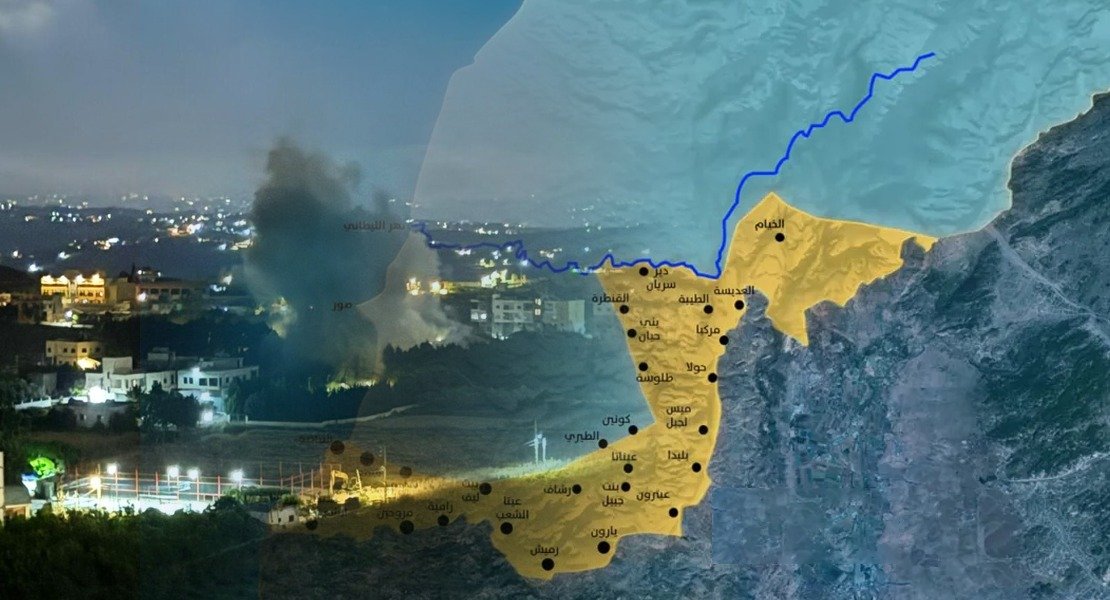
As all eyes turn toward the decision-making capital, Washington, in anticipation of the executive mechanisms for a ceasefire, a new equation is emerging on the diplomatic and military table, serving as a decisive “starting point” to stabilize the region south of the Litani River. This is the “Pilot Zones” plan, born from the “Declaration of Intent” between the Lebanese and Israeli sides, designed to serve as a real field test and an initial model for implementing new security arrangements before moving toward a comprehensive and sustainable agreement.
This proposal, in which the United States acts as the primary sponsor, is based on a precise security philosophy. It strictly requires the commitment of the concerned parties—namely Israel and Hezbollah—to a complete cessation of military operations in specific towns and villages, particularly those that witnessed incursions by the Israeli army, transforming them into safe zones open for the return of displaced residents.
Ambassador Issa in Baabda: Institutional Cover and the Start from “Shqif”
The diplomatic momentum for this proposal was clearly reflected in the positions put forward by the US Ambassador to Beirut, Michael Issa, following his meeting yesterday with President Joseph Aoun at the Baabda Palace. Issa was decisive in establishing the general rules: “These zones will be safe, open for the return of their people, and subject exclusively to the control and protection of the Lebanese Army.”
Informed political sources revealed to JNews Lebanon that the official hint at the establishment of these zones confirms that the plan enjoys official Lebanese endorsement. The most prominent evidence was mirrored in the words of President Joseph Aoun himself, who gave the practical green light by announcing that the field kickoff will start from the strategic “Shqif Castle,” forming the first brick in rebuilding the missing wall of trust.
Read also Exclusive- “Sovereign Landing” in the North: Behind the Scenes of Operating the Alternative Airport
The Four Strict Conditions for the Birth of Pilot Zones
According to security and military data obtained by JNews Lebanon, the establishment of these experimental zones and their subsequent expansion to include other towns in the South is governed by four strict, synchronized, and non-negotiable conditions:
1. Exclusive Army Control: The Lebanese Armed Forces alone shall assume full, absolute, and exclusive control on the ground within these villages and towns.
2. Absence of Non-Governmental Weapons: The withdrawal of Hezbollah elements and any other armed factions is required, completely stripping these towns of any illegal military presence or armed infrastructure.
3. Synchronized Israeli Withdrawal: The exclusive deployment of the Lebanese Army will be met with a full and complete withdrawal of the Israeli occupation army from all points and axes it had entered within the targeted sector.
4. Confidence-Building Test: The ultimate political goal of this experiment is to rebuild trust on the ground between the parties and test the level of commitment to the ceasefire, paving the way toward a comprehensive peace and security agreement.
Read also Exclusive — Behind the Scenes of Berri’s Call to Ambassador Mouawad: Will the “Ain el-Tineh – Washington” Line Succeed
Concerns and Guarantees: Does the Army Need Government Cover
Despite the diplomatic optimism, political sources via our platform called for a realistic reading of the challenges. While the logistical details, arrangements, and the formation of the specific brigade for this zone are entirely within the purview of the Lebanese Army Command, the constitutional question being raised behind the scenes remains: Does this step require a formal government decision and a political umbrella to provide it with full coverage?
Sources emphasize that without completing the parallel Israeli withdrawal alongside Hezbollah’s pullback, launching these zones will be highly difficult. Furthermore, a consensus has been reached not to establish “multiple pilot zones” all at once; instead, a single area (Shqif Castle and its surroundings) will be selected to ensure its complete success, after which the model can be generalized and extended across the South.
The most vital aspect of this approach, as concluded by sources, is that this step does not mean imposing a suspicious status quo on the people of the South. Rather, it is a restoration of legitimate authority and sovereign laws, while protecting the Lebanese Army from any security risks or uncalculated confrontations. Sooner or later, these zones will come into existence, and the required execution mechanism will become precisely clear in the coming days with the implementation of the ceasefire.
To read this article in Arabic (Click Here)
