

Exclusive JNews Lebanon
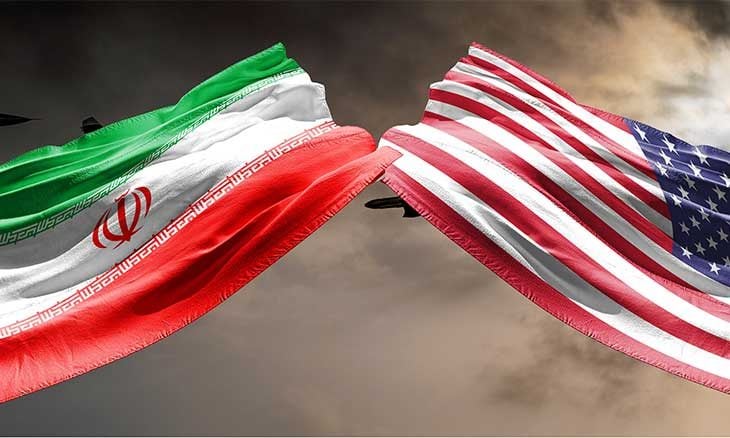
The regional political and military landscape has rapidly accelerated as the formal in-person signing of the U.S.-Iran Memorandum of Understanding nears this Friday, June 19, in Geneva. While the region adapts to the temporary 60-day testing window, Jnews Lebanon exclusively reveals the behind-the-scenes friction between Washington and Tel Aviv, alongside Tehran’s aggressive attempts to impose a political guardianship over Lebanon’s sovereign decisions.
Behind Tehran’s PR Campaign: The “Quiet Response” of Baabda and the Serail
High-level political sources have exclusively informed Jnews Lebanon that the deliberate propaganda blitz deployed by Tehran—evidenced by the urgent communications from Foreign Minister Abbas Araghchi and Parliament Speaker Mohammad Baqer Qalibaf to their allies in the Shia Duo—is primarily aimed at disruptive signaling against the official negotiations conducted by the Lebanese state in Washington.
According to our information, Tehran is scrambling to frame any impending security cooldown or Israeli pullback in the South as a “purely Iranian achievement.” This narrative seeks to politically insulate Hezbollah from growing domestic backlash over the unprecedented humanitarian and physical catastrophe in the South. Sources confirm that President Joseph Aoun and Prime Minister Nawaf Salam deliberately chose a composed, containment-driven diplomatic approach during their latest meeting at the Baabda Palace, cutting off provocations while remaining anchored to official Lebanese red lines: a permanent ceasefire, total withdrawal, and the exclusive deployment of the Lebanese Army to the international borders under Washington’s umbrella, not Tehran’s.
From the G7 Summit: Trump Bombshell on “Ahmed Al-Sharaa” Met by Damascus Refusal
The most alarming development triggering anxiety within political salons stems from statements made by U.S. President Donald Trump on the sidelines of the G7 summit in Evian, France. Trump did not stop at venting his frustration over Netanyahu’s management of the war and the strikes on Beirut; he detonated a political landmine by publicly proposing that Syrian President Ahmed Al-Sharaa take charge of managing Hezbollah, praising Al-Sharaa for doing an “amazing job” and having the capability to finish the mission.
This rhetoric, which vividly echoes the dark era of the 1976 Syrian military tutelage over Lebanon, was closely tracked by our monitoring desk. Diplomatic sources have conveyed to Jnews Lebanon that Syrian President Ahmed Al-Sharaa immediately dispatched firm and direct messages to international channels, reaffirming Damascus’s absolute commitment to a good-neighbor policy and regional non-interference. Al-Sharaa stressed that Damascus has closed that historical chapter, deals with Beirut strictly on a state-to-state sovereign basis, and that supporting Lebanese stability will under no circumstances involve new Syrian military deployments across the border.
Read also Exclusive- Gold Never Ages: The $100K Lesson That Could Have Saved Lebanese Depositors
The Washington-Tel Aviv Rift: Three Israeli Paths & The Capture of Ali al-Tahir
On the flip side, the Israeli occupation establishment is undergoing a quiet mutiny against Trump’s dictates. While Washington pushes for a comprehensive diplomatic path, intelligence assessments cross-referenced by our sources summarize the current volatile options inside the Israeli Security Cabinet into three distinct paths:
- Path One (The U.S. Choice): A total ceasefire tied to a phased withdrawal in exchange for American security guarantees and full Lebanese Army deployment.
- Path Two (The Defense Establishment Choice): Formally accepting a temporary truce while retaining occupied border pockets and securing complete operational freedom of action against Hezbollah.
- Path Three (The Far-Right Choice): Total rejection of any withdrawal, linking the end of the war exclusively to the complete disarmament of Hezbollah and entering an open-ended confrontation.
On the ground, Jnews sources confirm that the Israeli military’s aggressive final rush to seize Ali al-Tahir hill right before the accord announcement was specifically engineered to deal a psychological blow to Hezbollah’s base by occupying and dismantling the famous “Imad 4” underground facility built by Imad Mughniyeh. Meanwhile, active field fighters continue to engage fresh Israeli cross-border incursions, as seen in Kfar Tebnit.
Read also Behind the scenes- The “Washington Delegation” Clash: Who Leads the Mission?
Domestic Confrontation: Sovereign Opposition Rejects Alignment with Tehran
Internally, the strong political stance of the “Strong Republic” bloc led by Samir Geagea emerged, flatly rejecting any attempt to hitch Lebanon’s future to the Iranian axis or transform it into a theater for regional score-settling. The bloc renewed its total backing for the legitimate negotiation track spearheaded by Presidents Aoun and Salam, asserting that genuine salvation begins by accelerating state authority, confining all weapons to the Lebanese military, and dismantling all illegitimate armed setups—foremost among them Hezbollah’s military apparatus.
