

Written by Joyce houeiss for JNews Lebanon
As public administrations and official institutions shut their doors today, Monday, following a nationwide strike called by public sector employee unions, a glaring financial scandal has surfaced. While the state enforces severe fiscal austerity on civil servants and military personnel under the guise of protecting the currency, a specialized legislative mechanism has quietly shielded the political class. The unfolding Lebanese MPs salary increase scandal exposes how parliamentary benefits remain immune to the economic hardships imposed on ordinary taxpayers.
Deconstructing the Numbers: How MP Pay Reaches $5,000 by September
Public statements by lawmakers have yielded conflicting figures, with some claiming monthly salaries of $3,000 while others acknowledge amounts reaching $5,000. According to research analysis by Information International researcher Mohammad Shamseddine, Law 717/98 originally structured base parliamentary salaries around $1,500, supplemented by an additional $1,500 allocated through the Parliament Mutual Fund—funded directly by taxpayer revenues.
However, investigative findings obtained by “Jnews Lebanon” reveal that starting September, MP compensation will officially rise to $5,000 per month. This increase is being executed by transferring emergency funds directly from state budget reserves to the Parliament Mutual Fund via executive decree.
Exclusive Jnews Insights: Lump-Sum Cash Disbursements vs. Deferred Public Sector Wages
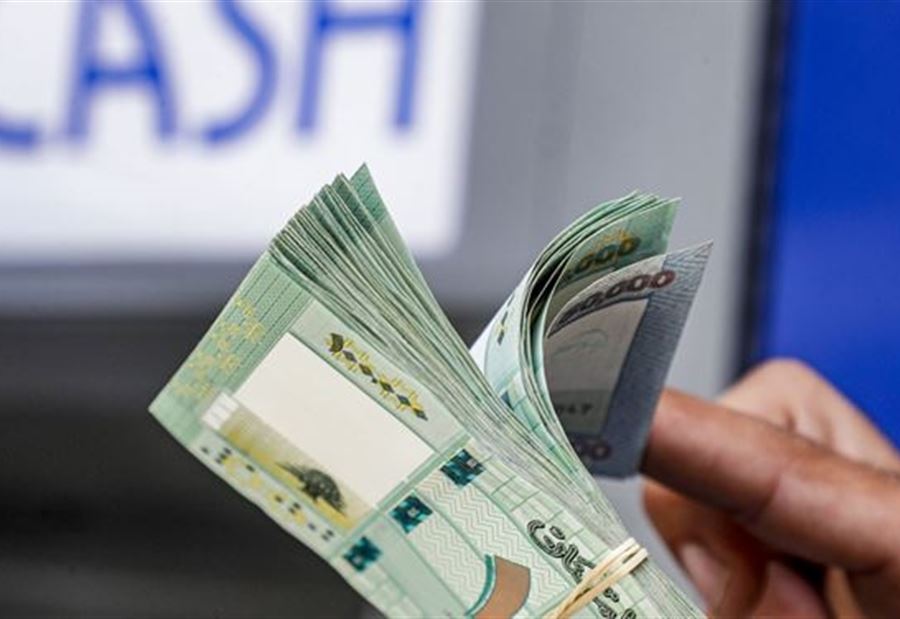
Sources within the Ministry of Finance and Parliament confirmed to “Jnews Lebanon” that the primary discrepancy lies in the payout mechanism. While teachers, public sector staff, and military personnel are subjected to deferred, multi-phase installment plans for retroactive pay adjustments, members of parliament will receive their full upgraded compensation package in lump-sum cash payments without delay.
This preferential treatment coincides with rising consumer costs and fuel taxes borne entirely by the public. While civil servants struggle for basic transport and healthcare allowances, parliamentary allocations remain fully insulated from national fiscal constraints.
Institutional Accountability and Political Implications
The lack of transparency surrounding the Parliament Mutual Fund has drawn sharp criticism from administrative circles. Because the fund relies entirely on public tax revenue, transferring reserve allocations to boost legislative pay raises serious constitutional and social questions during a period of severe economic adjustment.
Securing immediate cash payouts for elected officials while delaying basic civil service wages reinforces an unsustainable divide between government leadership and the public sector workforce.
The Fiscal Discrepancy Breakdown
A strategic review by Jnews Lebanon highlights three critical aspects of this ongoing debate:
- Utilization of Mutual Funds: Reallocating budget reserves into parliamentary mutual funds circumvents standard legislative debates regarding public salary scales.
- Challenging Currency Protection Claims: Assertions that public sector salary payouts threaten currency stability are undermined by single-disbursement cash increases granted to legislative accounts.
- Public Sector Institutional Strain: Prolonged strikes across public administrations risk disrupting state revenue collection and essential public services.
“Parliamentary Source to Jnews: Budget transfers to the Mutual Fund will be completed before the end of August, ensuring $5,000 payouts are accessible to MPs by September—unrestricted by the installment schedules applied to state employees.”
