

Exclusive JNews Lebanon
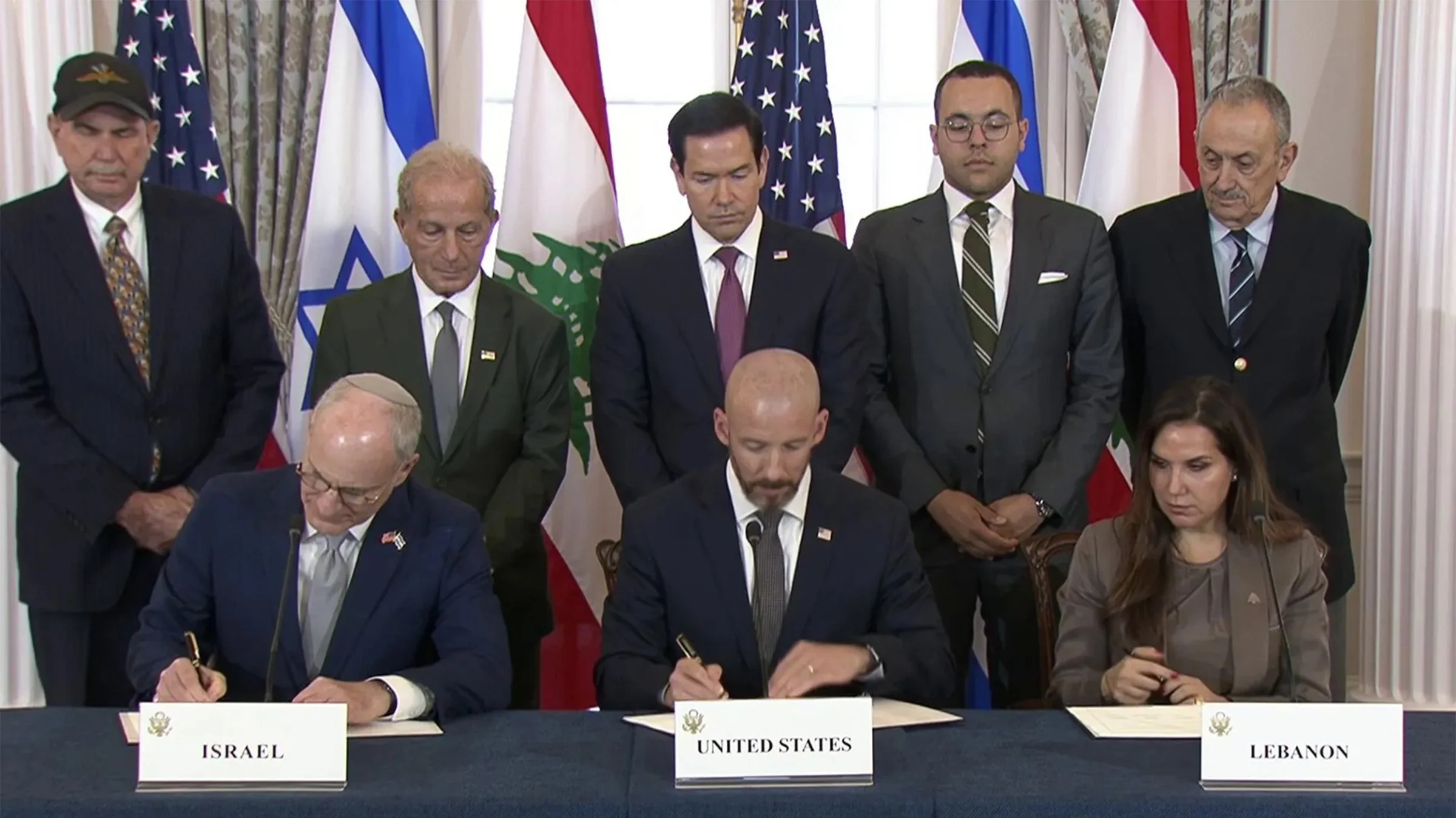
The trilateral talks in Rome have shifted from routine diplomatic sessions into direct political confrontation. In the final hours of the seventh negotiation round, heightened tension culminated in head of the Lebanese delegation Ambassador Simon Karam suspending the session and concluding talks two hours early in response to Israeli delays. This firm action aligns with a sovereign strategy in Beirut that refuses unconditional negotiations, establishing the Simon Karam walkout and September talks conditions as the primary framework for upcoming diplomatic engagements.
Exclusive Jnews Insights: Full Details Behind Simon Karam’s Suspension of Rome Talks
Sources close to the negotiating delegation informed “Jnews Lebanon” that closed-door discussions reached a critical point when Israeli representatives sought to bypass previously agreed-upon baseline points, delaying explicit answers regarding a comprehensive ceasefire.
According to delegation sources, Ambassador Simon Karam objected to procedural delays, declaring an immediate suspension of the session and exiting the hall alongside delegation members. This action brought the remaining two hours of the round to an abrupt end, establishing a clear line between substantive negotiations and tactical delays.
Beirut’s Three Prerequisites for September Negotiations
In parallel with the delegation’s stance in Rome, senior officials confirmed to “Jnews Lebanon” that the Lebanese government is formally conditioning its participation in the tentative September round on the fulfillment of three key field prerequisites:
- First: Establishing a comprehensive, verified ceasefire covering all military operations.
- Second: An immediate halt to ongoing land clearing and destruction operations by Israeli forces in towns south of the Litani River.
- Third: Formally designating a new pilot security zone centered in Bint Jbeil or Khiam, moving beyond the initial three towns (Froon, Srifa, and Zautar al-Gharbiya).
Sources emphasized that the September round remains tentative. Beirut will not attend formal sessions without verified progress on the ground, particularly as destruction operations persist across southern border areas.
Regional Context and Domestic Public Sector Strike
This diplomatic friction occurs as geopolitical assessments point toward a military status quo leading into the Israeli general elections in October, with Washington and Tehran acting to prevent localized clashes from expanding into a broader conflict. However, this regional balance coincides with intensified ground demolitions and clearing operations south of the Litani River.
Domestically, executive authorities face heightened pressure as public administration employees initiate a comprehensive general strike today, Monday, August 10, protesting phased retroactive salary adjustments. This coincides with upcoming legislative sessions on Tuesday and Wednesday focused on key domestic issues, including national waste management and financial stabilization reforms.
Linking Field Realities to Diplomatic Tables
A strategic analysis by Jnews Lebanon identifies key dynamics governing the diplomatic track heading into Autumn 2026:
- Diplomatic Decisiveness Challenges Delays: Ambassador Karam’s stance signals to US mediators that Lebanon will not provide cover for tactical negotiation delays driven by external electoral timelines.
- Anchoring Negotiations to Ground Operations: Conditioning future talks on expanding pilot security zones to Bint Jbeil or Khiam and halting land clearing restores diplomatic leverage, ensuring talks yield tangible security outcomes.
“Senior Sovereign Source to Jnews: Simon Karam’s decision to cut short the session was a deliberate policy position communicated directly to Washington. Lebanon will not convene for September talks while military machinery continues to alter southern terrain.”
