

Written by Joyce Houeiss for JNews Lebanon
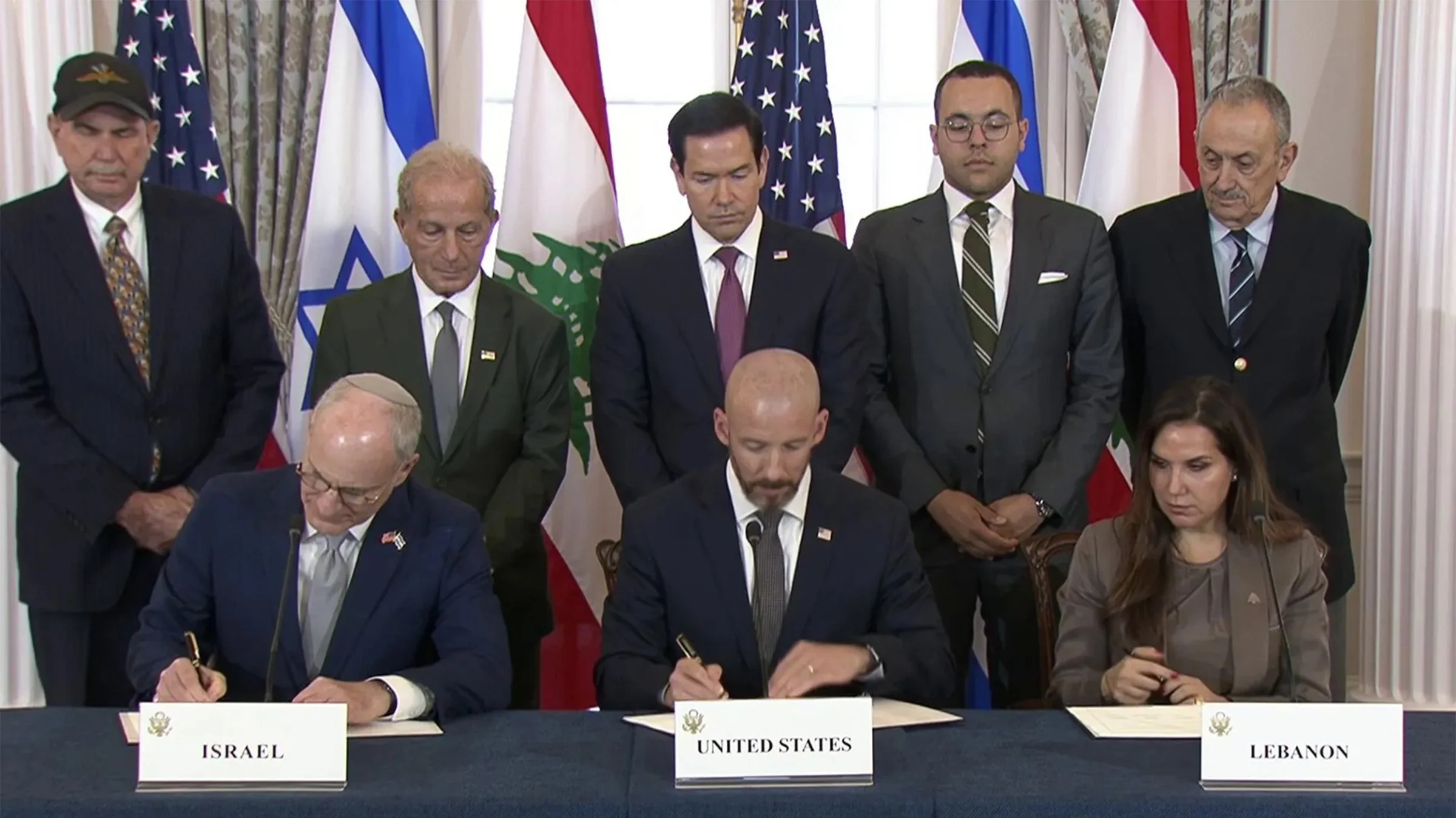
The unannounced technical outcomes of the “Rome-2” direct negotiations lay the groundwork for a structural transformation along Lebanon’s southern border. Beyond localized battlefield friction, the trilateral talks established an initial framework for a sustainable security agreement and a technical timeline directly tied to Rome negotiations security agreement and border verification, shifting the border file from tactical deadlock toward a clear legal and international framework.
The Alternative Security Architecture: US Mandate and Post-UNIFIL Options
Exclusive information obtained by “Jnews Lebanon” reveals that negotiators have begun drafting initial outlines for a new security agreement regulating border stability and incident management. Discussions focused on two potential legal and operational anchors: direct oversight backed by the United States as a field guarantor, or a new United Nations Security Council resolution establishing an updated international mechanism for the post-UNIFIL era.
The parties also agreed on technical mapping procedures across occupied and border sectors to schedule the rollout of “pilot security zones.” On the military track, negotiators fully finalized foundational definitions and terms of reference while refining a streamlined list of international mechanisms and observers responsible for monitoring ceasefire compliance.
Inside the Prisoner File: Civilian Priority and the “Lebanese Jews” Counter-List
The exchange of preliminary lists introduced a complex dynamic into the talks. The Lebanese delegation insisted on the immediate release of the first batch of detainees, prioritizing Lebanese civilians and missing persons detained during recent border developments.
Conversely, sources confirmed to “Jnews Lebanon” that the Israeli delegation submitted a counter-list containing names of missing or deceased Lebanese Jews from historical periods. Despite these complexities, US facilitators pledged to actively mediate both the prisoner and border boundary files during the interim leading up to the next formal session, tentatively scheduled for September 1, 2026.
Pilot Security Zones and Washington’s Guarantees
Regarding the expansion of “pilot security zones,” talks yielded partial alignment rather than a final accord. Lebanon advocated for an immediate transition into additional sectors—such as Bint Jbeil and Khiam—to facilitate Lebanese Army deployment and civilian return. However, Israeli representatives insisted on completing verification protocols in the initial two zones first, referring the decision back to political leadership in Tel Aviv.
In response, the Lebanese leadership received explicit assurances from US mediators that Washington will actively pursue definitive answers from Tel Aviv regarding a binding, renewed 60-day ceasefire—a core Lebanese prerequisite for advancing toward the September 1 milestone.
Jnews Geostrategic Analysis & Outlook
A geostrategic evaluation by Jnews Lebanon outlines three major implications for the upcoming phase:
- Shift from Resolution 1701 to Hybrid Arrangements: Exploring a new UN Security Council mandate or direct US oversight marks a transition away from the original 1701 framework toward a more stringent, technology-driven monitoring structure with direct international involvement.
- The Three-Week Window to September 1: The period leading into early September represents a critical testing phase. Regional actors may attempt to adjust ground positioning to influence the final draft of the security agreement without dismantling the diplomatic structure established in Rome.
- Strategic Nuance in the Detainee File: Introducing historical lists into detainee discussions reflects tactical positioning. Navigating these claims will require meticulous legal verification by Lebanese state authorities to ensure the swift release of detained civilians.
“Senior Diplomatic Source to Jnews: Rome established the technical boundaries for border verification and initiated the security agreement framework. Primary responsibility now rests with Washington to secure binding commitments to a complete ceasefire prior to September 1.”
