

Exclusive to JNews Lebanon
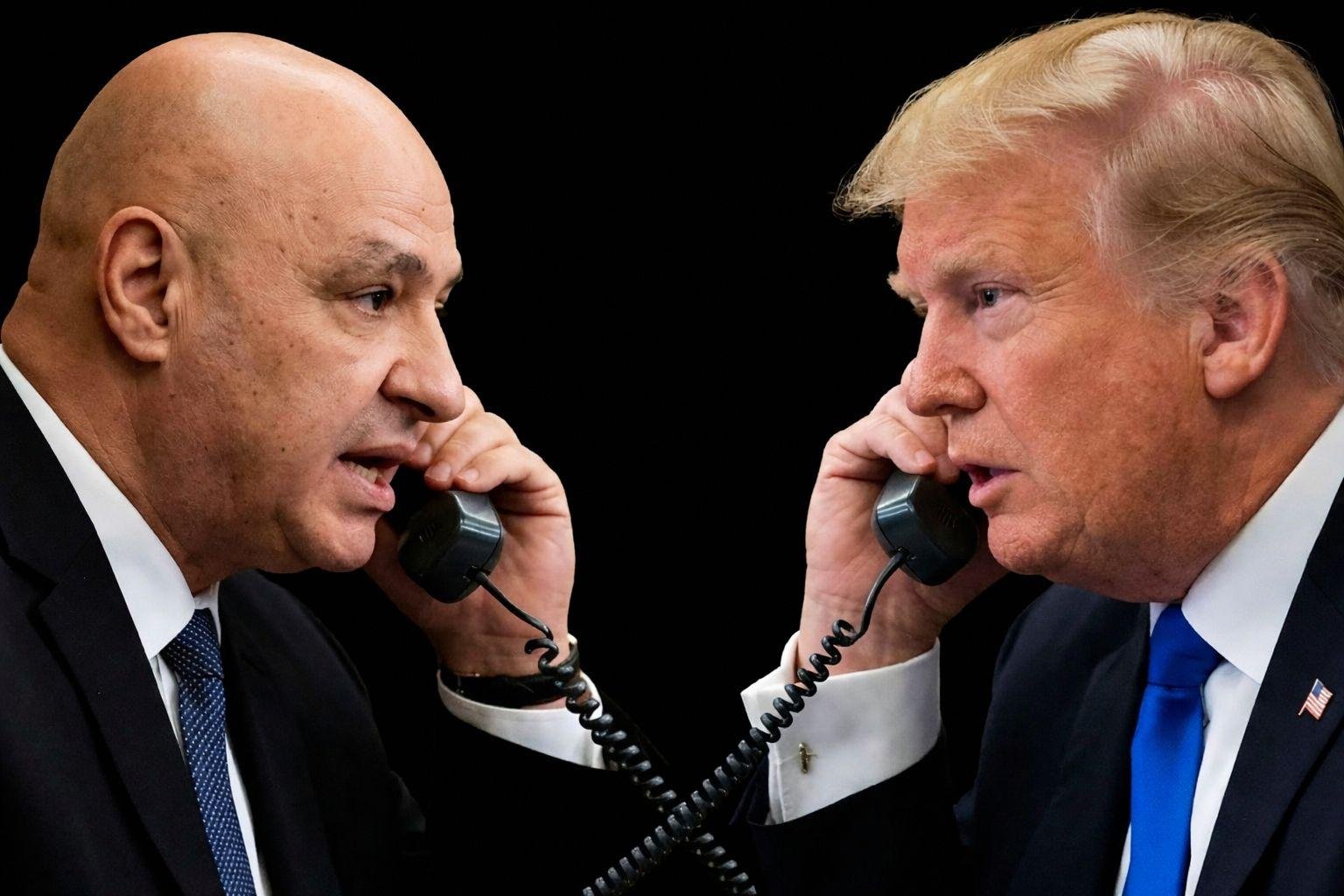
Overnight, the region leaped onto a scorching hot plate, violently reshuffling geopolitical cards from Ankara to the Strait of Hormuz. While massive human crowds were bidding farewell to the late Iranian Supreme Leader Ayatollah Ali Khamenei at his final resting place in Najaf, US President Donald Trump chose the NATO summit to deliver a verbal coup de grâce to the memorandum of understanding with Tehran. Describing its leadership in fiery terms, Trump unleashed US Central Command (CENTCOM) to dismantle over 80 Islamic Revolutionary Guard Corps (IRGC) targets in Bandar Abbas and Chabahar—a move met with immediate Iranian retaliatory missile strikes against US bases in Kuwait and Bahrain.
Read also The Roundup-Lebanon Flips the Table in Rome: The “Grand Trap” Uncovered and the Flight to Trump!
Yet, amidst this raging regional collapse, official Lebanon has succeeded in a critical strategic maneuver: completely detaching its path from the Iranian axis to prevent a return to square one or sliding into a new “engagement war” that Tehran might demand from its regional affiliates. Behind the dust of continuous Israeli airstrikes on Nabatieh al-Fawqa and Hadatha, closed-door diplomatic channels are buzzing with pivotal developments. JNews Lebanon exclusively uncovers the hidden details shaping July’s packed diplomatic agenda.
The Rome Negotiations: Behind Lebanon’s Reservations and Preconditions
Highly placed, sensitive diplomatic sources have revealed to JNews Lebanon that Beirut’s decision to participate in the upcoming round of negotiations in the Italian capital, Rome—scheduled for July 15 and 16—did not come freely. Instead, it was preceded by intense behind-the-scenes friction and high-stakes pressure.
Read also Exclusive—Fuel Shortage Fears Explode as Imminent Price Hikes Shock Lebanon!
Our exclusive intelligence confirms that Baabda expressed severe concern and deep reservations in recent hours upon being notified that the venue of the negotiations would shift from Washington to Rome. Lebanese officials feared that this geographical relocation was an Israeli maneuver to bypass the direct, decisive pressure previously exerted by US Secretary of State Marco Rubio, effectively attempting to downgrade the talks into a bilateral track devoid of an American mediator. However, intense hotline communications successfully extracted a firm American guarantee maintaining the “tripartite framework” and ensuring the personal attendance of the US mediator.
The July 21 White House Summit: Mapping the Frontiers of a New Era
In parallel with the European diplomatic stop in Rome, protocol departments in both Washington and Beirut have locked in the final official date for the main event. President of the Republic General Joseph Aoun has received an official invitation to visit the White House and meet his American counterpart, Donald Trump, on July 21.
Sources close to the Lebanese negotiating delegation indicate that this summit will inject high-level executive and operational momentum into the “Framework Agreement” under Trump’s personal sponsorship. Trump already flashed a green light from Ankara, declaring that “Israel will withdraw its forces from Southern Lebanon because they want to.” President Aoun will enter the Oval Office armed with a sovereign dossier that rejects any field blackmail or compromised concessions, backed by written guarantees secured by Baabda to alleviate Lebanese security anxieties. Furthermore, Aoun stands on a unified domestic front, coordinating strategic lines with Speaker Nabih Berri to dismantle ongoing Israeli psychological operations aimed at border villages.
Read also Exclusive—Inside the Fuel Price “Black Box”: How Gasoline Surged 23.4%?
