

Written by Aline Barakat for JNews Lebanon
Read also Exclusive- The Geneva Deal by the Numbers: Will Lebanon Exit the War with “Zero Reconstruction”?
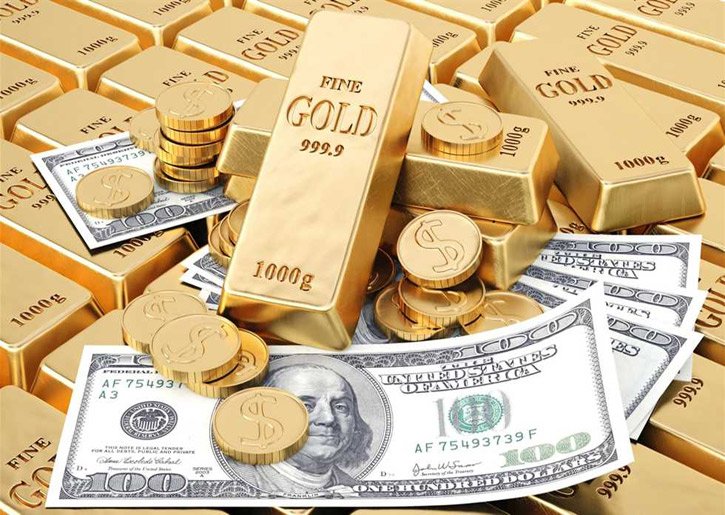
Back in the 1980s, the average price of gold hovered around $420 an ounce, meaning a single kilogram of the precious metal was worth roughly $13,500. At that time, a full academic year at a top-tier private university in the United States cost between $7,000 and $8,000. In a simple mathematical reality: one kilogram of gold was more than enough to comfortably cover a full year of Ivy League education, with change to spare.
This universal equation encapsulates the true meaning of “financial security,” forcing a painful but necessary question into the open here in Beirut: What if Lebanese citizens had hedged their hard-earned life savings with gold, instead of placing absolute, blind faith in a banking system that vanished into thin air overnight?
Read also Exclusive—Israeli Trap for Trump and Tehran in Beirut: Dahiyeh Strike Scrambles Deal Framework!
Gold Is Not a “Speculative Hype”—It Is the Guardian of Wealth
Historical precedents prove that gold should never be viewed as a tool for quick trades, speculative hype, or rapid short-term gains. Instead, gold represents long-term protection—a serious, non-negotiable allocation within any mature, responsible investment portfolio.
While the purchasing power of the U.S. dollar has steadily deteriorated over the decades due to aggressive currency printing and compounding inflation, gold has unceasingly retained its intrinsic value. Paper burns away, but the physical metal endures.
Exclusive Jnews Lebanon Inside Intelligence: The “Fiat Trap”
Financial and banking sources tracking local wealth trends have revealed a stark, tragic paradox to Jnews Lebanon regarding the historical behavior of the Lebanese saver:
- The Illusion of High Interest Rates: Our sources reveal that prior to the 2019 collapse, more than 85% of Lebanese depositors actively chose to lock their capital into local fixed-deposit accounts in USD or LBP. They were lured by the unsustainably high interest rates engineered by financial engineering schemes, while completely dismissing expert warnings to diversify their wealth into tangible assets like gold.
- The Panic-Buying Era: Data obtained by our platform indicates that widespread gold purchasing in Lebanon only surged after the catastrophe struck and the banks froze public assets. For months, the gold souks of Beirut and major cities have witnessed unprecedented demand. Citizens are now desperately attempting to convert whatever fresh liquidity they can scrape together into physical coins and bars, fearing new waves of global and local inflation that threaten to devalue cash holdings.
Read also Behind the scenes- Secrets of the “Secret” Diplomatic Dinner
Historical Comparison of Purchasing Power: Gold vs. Fiat Currency
| Metric | The 1980s Era | The Current Era (Today) | Geopolitical & Financial Analysis |
|---|---|---|---|
| Value of 1 Kilogram of Gold | ~$13,500 | ~$135,000 | Gold successfully stored real value and adjusted alongside systemic inflation. |
| Elite U.S. University Tuition (Per Year) | $7,000 – $8,000 | $90,000 – $100,000 | Hyper-inflation thoroughly eroded the purchasing power of fiat currency. |
| Real Purchasing Power of 1 Kilo of Gold | Covered a full academic year + surplus cash. | Covers a full academic year comfortably. | Gold defeated inflation and maintained absolute equilibrium. |
The Lebanese Lesson: Time to Abandon the Paper Safety Net
The definitive takeaway that this report offers to the Lebanese public—especially those attempting to rebuild their life savings from absolute zero—is the urgent need to overhaul their financial mindset.
Consecutive economic shocks, spanning from the domestic banking collapse to macro-level global inflation, prove that relying exclusively on digital ledger balances or hoarding stacks of paper cash inside safes is a losing bet over the long term.
