

Exclusive JNews Lebanon
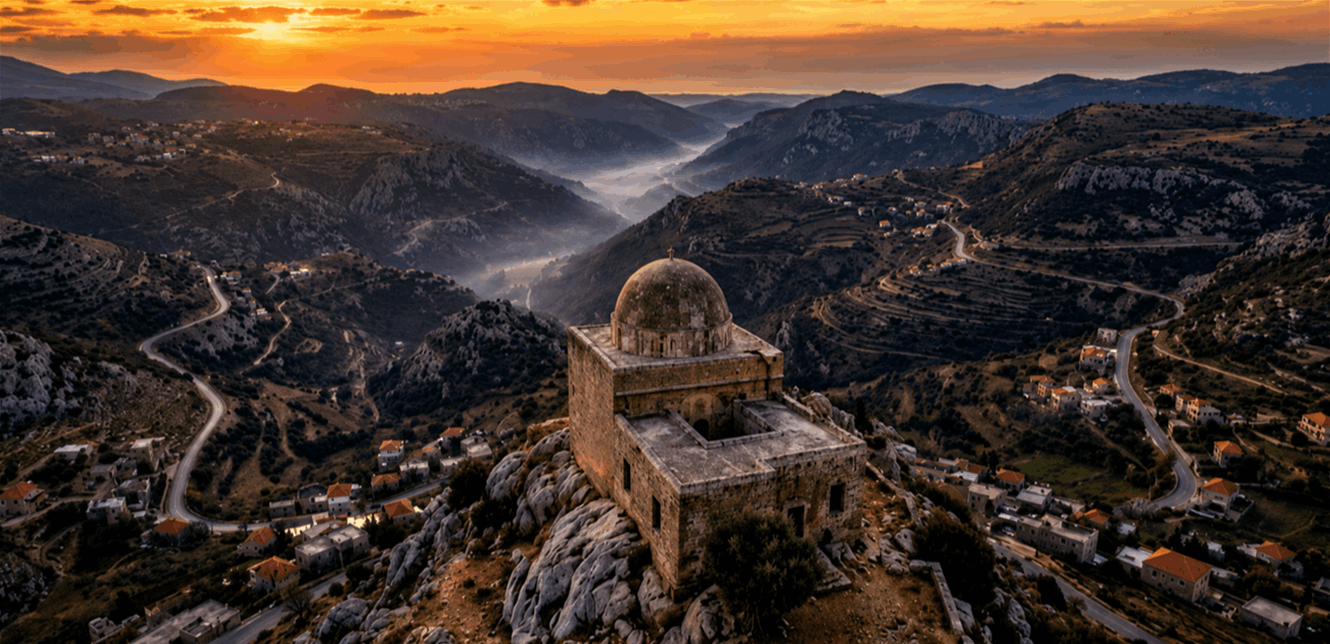
Military and political developments in South Lebanon are rapidly accelerating toward a critical threshold. The intense nocturnal strikes on the strategic Ali al-Taher ridge are no longer routine escalation; they signal an active countdown to a decisive battle that could redraw the tactical landscape.
The Ali al-Taher Ridge and Potential Expansion into Iqlim al-Tuffah
Field analysis indicates that hesitance to give the green light for an all-out assault on Ali al-Taher stems from precise calculations and high operational risks:
- Tactical Restraints: Heavy bombardment aims to dismantle fortifications, but a ground assault would trigger a direct, high-stakes confrontation.
- Expanding Scope: Estimates suggest that if control of Ali al-Taher is secured, operations will not stop there; field forces plan an immediate push toward Hezbollah strongholds and positions in Iqlim al-Tuffah.
- Ongoing Mediation: Parallel to field movements, a U.S. proposal led by Brig. Gen. Joseph Clearfield seeks to transfer management of the Ali al-Taher facility to the Lebanese Army, in exchange for an Israeli withdrawal from Khiam or an equivalent strategic point to prevent full-scale escalation.
The Domestic Front.. Reaffirming State and Army Authority
On the domestic front, the joint visit by Prime Minister Nawaf Salam and Defense Minister Michel Menassa to the Benoit Barakat Barracks in Tyre delivered firm political and security messages:
- Ending Internal Friction: The joint field tour served as a clear declaration closing the recent cabinet rift, reaffirming unified executive decision-making.
- Monopoly on Arms: Statements by Salam, Menassa, and Deputy PM Tarek Mitri emphasized that national sovereignty requires one army and one state holding sole authority over decisions of war and peace, rejecting external interference.
- Negotiation Stance: The government remains committed to the framework agreement and full withdrawal, aiming to consolidate security both militarily and socio-economically for the people of the South.
Ext
ernal Pressure and International Dynamics
- Presidential Diplomacy: President Joseph Aoun continues international engagement from Rome, pressing for agreement implementation and defining post-UNIFIL stability frameworks, while key Saudi-French talks in Paris are closely watched for regional direction.
- Sanctions Pressure: Washington continues leverage efforts by disrupting financial networks and tightening supply routes—measures Hezbollah views as an attempt to impose guardianship and strip Lebanon of its strategic leverage during the current confrontation.
A comprehensive reading of these factors indicates that South Lebanon is in a high-stakes race between security-diplomatic proposals for de-escalation and the risk of a wider conflict extending beyond Ali al-Taher into the depths of Iqlim al-Tuffah.
