

Exclusive JNews Lebanon
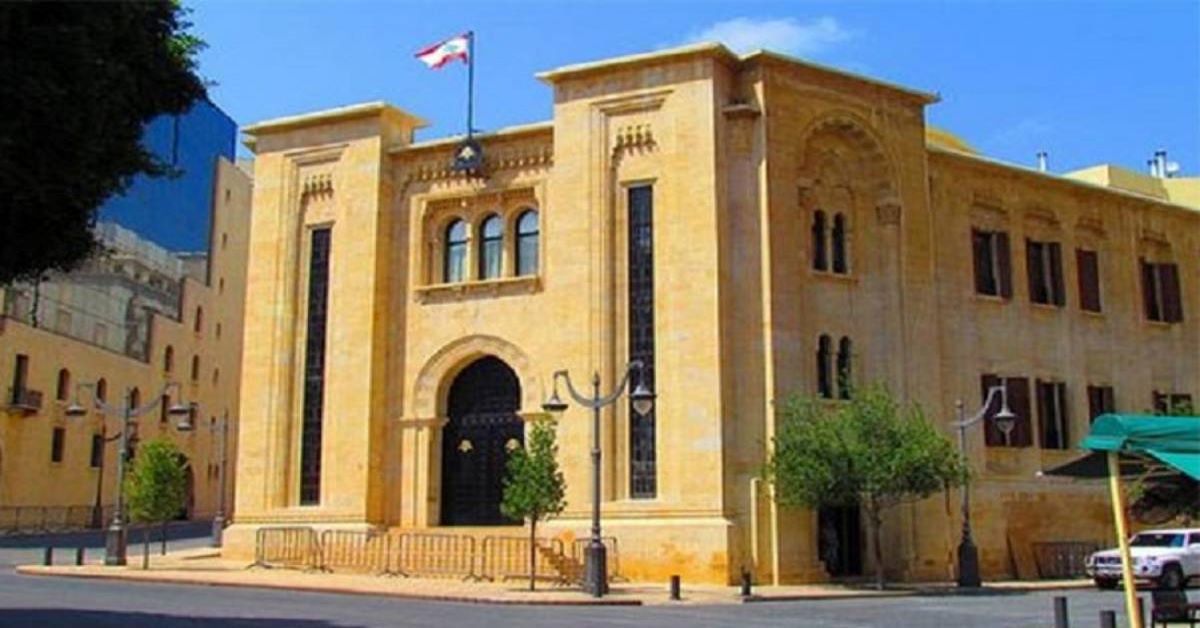
The recent parliamentary sessions concluded with the passage of a major legislative package, reflecting a broad political consensus among key parliamentary blocs. Facing ongoing uncertainties regarding the southern border situation and diplomatic talks in Rome, Parliament moved forward with crucial domestic measures. This legislative outcome brings to the forefront the implementation of the Lebanese Amnesty Law and Bank Restructuring framework alongside civil rights reforms, contrasting with debated amendments to press regulations.
Legislative Outcomes: General Amnesty and Financial Reforms
Sources informed “Jnews Lebanon” that Parliament officially enacted the General Amnesty Law as finalized by the joint committees. Key modifications include adjusting early release eligibility to 12 prison years and refining legal terminology regarding final judicial rulings, even as members of the Loyalty to the Resistance, Strong Lebanon, and independent MPs walked out over procedural debates.
Following the amnesty vote, Parliament approved Law No. 36 (modified via Decree 6503) concerning bank reform and restructuring. Information obtained by “Jnews Lebanon” confirms that amendments incorporated key recommendations from international financial partners and the Ministry of Finance, aiming to establish structural financial stability and maintain international engagement.
General Clearfield’s Consultations on the Security Mechanism
Parallel to the legislative track, Major General Joseph Clearfield, head of the Special Military Coordination Group (“The Mechanism”), held consultations in Beirut with President Joseph Aoun and Armed Forces Commander General Rodolphe Haykal. The meetings focused on evaluating Phase One of the pilot security zones in Zautar al-Gharbiya, Froon, and Ghandouriya.
A senior political source disclosed to “Jnews Lebanon” that General Clearfield shared findings from his recent meetings in Israel, focusing on defining standardized terms for “third-party verification” mechanisms. Lebanese officials emphasized that while national military deployments in the three designated towns are fully arranged, operational progress relies heavily on securing mutual compliance and halting regional field violations.
Judicial Reforms and Press Freedoms
The two-day legislative session was marked by notable contrast: while Parliament approved a historic measure abolishing the death penalty to align with international legal frameworks, it simultaneously passed the Media Law without removing penal provisions for press activities.
Media representatives and journalists’ syndicates have voiced concern over the retention of custodial sentences, calling for continued legislative review to safeguard press protections and investigative reporting.
Aligning Domestic Reforms with Security Realities
A strategic analysis by Jnews Lebanon identifies three primary factors driving current policy decisions:
- Accelerating Domestic Reforms: Passing key financial and administrative laws reflects a desire to secure domestic stability and international standing while broader regional diplomatic processes remain underway.
- International Financial Coordination: Incorporating structural amendments into the banking restructuring law underscores the necessity of maintaining alignment with international financial institutions.
- Defining Security Verification: General Clearfield’s mission highlights that the success of pilot security zones depends on establishing clear, agreed-upon third-party verification protocols.
“Senior Official to Jnews: Passing the bank restructuring framework alongside civil reforms provides necessary legal continuity for state institutions while technical security discussions continue in Rome.”
