

Exclusive JNews Lebanon
As the curtain fell on the World Cup celebrations, the region awoke to escalating conflict stretching from the Gulf of Oman and Bushahr to Bab al-Mandab and South Lebanon. All eyes in Beirut are glued to the White House, where a pivotal 6:00 PM (Beirut time) summit will take place between Lebanese President General Joseph Aoun and US President Donald Trump. Meanwhile, Washington and Tel Aviv moved swiftly to bypass the summit’s core agenda with field maneuvers that have sparked deep skepticism at army headquarters in Yarzeh.
Jnews Exclusive: US Naval Deployment to Cover “Froun and Srifa” Manoeuvre
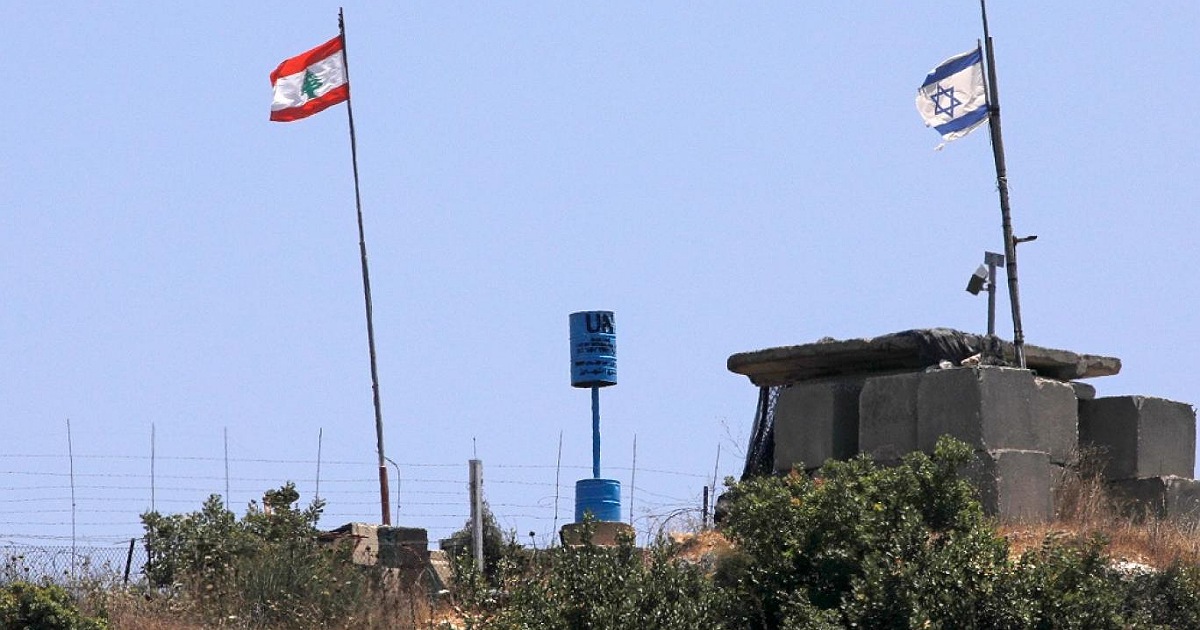
Exclusive diplomatic and security sources revealed to “Jnews Lebanon” that US diplomacy attempted to preempt any sovereign terms President Aoun might demand in the Oval Office. This was signaled by the US State Department’s announcement initiating operational rollout in the designated South Lebanon Pilot Zones—specifically covering the villages of Froun, Srifa, and Zautar al-Gharbiya. However, field evidence verified by Jnews confirms that Froun and Srifa are already under full Lebanese Army control. Conversely, Israeli forces refused to withdraw from the outskirts of Zautar al-Gharbiya, prompting the Lebanese Army to halt its advance at the town’s entrances and warn civilians against entering.
In this context, Jnews sources revealed the planned Wednesday arrival of Rear Admiral Joseph Clairfield, Commander of US Naval Forces Central Command (NAVCENT), in Beirut. Our exclusive reports confirm that Clairfield’s visit goes far beyond protocol: he will personally oversee military withdrawal mechanisms from offshore assets and a joint operations cell. This US initiative aims to offer direct operational guarantees to convince Yarzeh to deploy fully while preventing Israeli strikes against Lebanese Army positions.
Bated Breath Ahead of Oval Office Meeting
Our sources agreed that today’s summit is a double-edged sword. While some highlight the boost President Aoun received following his call with Saudi Crown Prince Mohammed bin Salman, along with Secretary Marco Rubio’s praise for the Lebanese government and promises to restore direct flights between the US and Beirut, other sourced are asking: “How will Aoun enter the White House, and how will he leave?”
The Lebanese President brings a clear roadmap aligned with Speaker Nabih Berri and the Lebanese Army command: implementation of the South Lebanon Pilot Zones must begin with an actual Israeli pullback from occupied territory, rather than areas already under Lebanese sovereign control, while securing firm guarantees against Israeli violations and demolition operations near Mays al-Jabal, Kfar Tebnit, and the Khiam plain.
Regional Powder Keg: Strikes Near Bushahr and Houthi Naval Blockade
The Lebanese-American summit unfolds amidst unprecedented regional escalation. Iranian President Masoud Pezeshkian declared a “comprehensive war” with Washington as the Pentagon expanded air operations near the Bushahr nuclear facility. In a move threatening global energy supplies by disrupting up to 7% of world oil transport, Houthi forces declared a full naval blockade on Saudi shipping under the slogan “blockade for blockade.”
This regional explosion—spanning maritime choke points to covert mediation led by Pakistan and Qatar to negotiate a 10-day ceasefire—puts South Lebanon on high alert. Washington is attempting to isolate the Lebanese front and secure the Framework Agreement before it is consumed by wider regional conflict.
Between Admiral Clairfield’s arrival on Wednesday and the 6:00 PM White House summit, Lebanon is fighting to establish its borders on sovereign terms rather than Israeli conditions. The coming hours will determine whether Washington is truly committed to enforcing a real Israeli withdrawal or if the “pilot zones” initiative is merely a stall tactic amid a growing regional fire.
