

Exclusive JNews Lebanon
Regional and diplomatic dynamics are accelerating, forcing the entire arena onto a strategic roadmap designed to systematically dismantle Iranian influence. While Tehran concludes its highly securitized ceremonies for its late leader, and Damascus anticipates a high-stakes regional visit from French President Emmanuel Macron, the most severe tactical developments are unfolding directly within Lebanon. A fierce military and political struggle has ignited to enforce the strict mandates of the “Lebanon-Israel Framework Agreement” backed by combined American and Israeli leverage.
From Beaufort Castle: Zamir Dictates Nabatieh Withdrawal Conditions
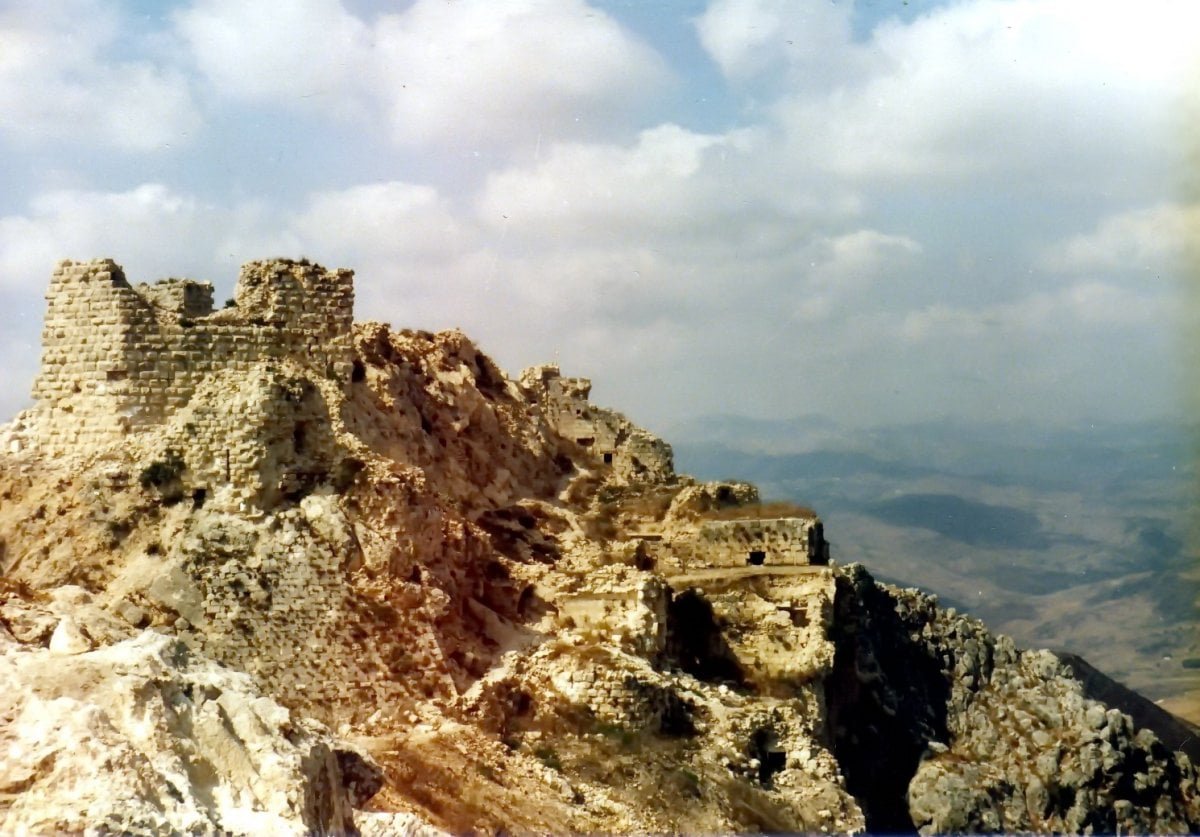
On the heels of US President Donald Trump’s recent veto that checked Benjamin Netanyahu’s operational ambitions at Ali Al-Tahir Hill with a blunt warning—“Do not bother me with explosions over there”—Tel Aviv immediately pivoted to deliver a severe field message. Israeli Chief of Staff General Eyal Zamir conducted a highly publicized inspection tour of the strategic Beaufort Castle (Qalaat al-Shaqif), tracking Hezbollah’s underground tunnel networks.
From the heights of Beaufort, Zamir signaled to Beirut and Washington that any tactical withdrawal would carry a heavy price. JNews Lebanon has monitored leaks via Israel’s public broadcaster (Kan) outlining the joint US-Israeli re-deployment plan. The initial experimental phase is set to begin in Zoutar al-Sharqiyah and Zoutar al-Gharbiyah in the Nabatieh District as the first model zone, with a transfer window to the Lebanese Armed Forces spanning one to three weeks following imminent cabinet approval.
The “Virtual Room” and the US Veto on Lebanese Army Officers
The most critical element of this new mechanism is the establishment of a **”Joint Virtual Operations Room”** connecting Israel and Lebanon. This operation is under the direct oversight of the head of the military and security committee, US General Joseph Clearfield (Commander of the Marine Corps Forces Central Command), who secretly visited Tel Aviv last week to finalize the blueprints.
The mandate of this virtual command center extends far beyond mere ceasefire monitoring; it is specifically tasked with supervising the **”dismantling of Hezbollah”** and clearing all military assets south of the Litani River. In a shocking shift, Washington has instituted a rigorous background-check and vetting process for all Lebanese Armed Forces (LAF) officers designated to participate in this mechanism. This measure comes after definitive American and Israeli intelligence raised concerns that certain Lebanese officers leaked highly sensitive files and meeting minutes to Haret Hreik officials during the previous 2024 monitoring committees.
Baabda and Haret Hreik Clash: President Aoun Rejects Obstinacy
This aggressive tracking framework has placed Baabda Palace and the Prime Minister’s office in direct confrontation with intense Iranian pushback. Iranian officials have publicly accused Lebanese authorities of stalling peace efforts by refusing to embed an Iranian delegate into the joint oversight committees. Locally, MP Hussein Haj Hassan launched a scathing critique, labeling the framework agreement a capitulation and demanding the public disclosure of a suspected “secret annex.”
Faced with these political campaigns, President of the Republic General Joseph Aoun issued a sovereign, uncompromising stance. Recalling an encounter in Harissa where a displaced woman from Nabatieh wept over her demolished home and pleaded for peace, the President stated bluntly: “I am not in love with Israel, but give me an alternative solution to follow, whatever it may be. If the only option is to oppose without a substitute while war and destruction continue, I will not accept that.” President Aoun is currently awaiting the arrival of the new US Ambassador to Beirut, Michel Issa, to finalize logistics for his high-profile summit with Trump in Washington.
Simultaneously, the agreement faced an unexpected legal challenge as six international human rights organizations, including Amnesty International and Human Rights Watch, issued a joint statement claiming the Washington-brokered deal facilitates impunity and risks regularizing long-term forced displacement. They urged Lebanon to immediately ratify the Rome Statute and grant the International Criminal Court investigative authority over the territory.
Caught between stringent Israeli withdrawal mandates from Beaufort Castle and fierce political resistance from the opposition, the next few hours will decide Lebanon’s path: total compliance with demilitarization under the watchful eye of the “Virtual Room,” or a swift return to the flames of a field conflict that recently battered Nabatieh al-Fawqa, Beit Yahoun, Kounine, and Majdel Zoun.
