



Exclusive JNews Lebanon
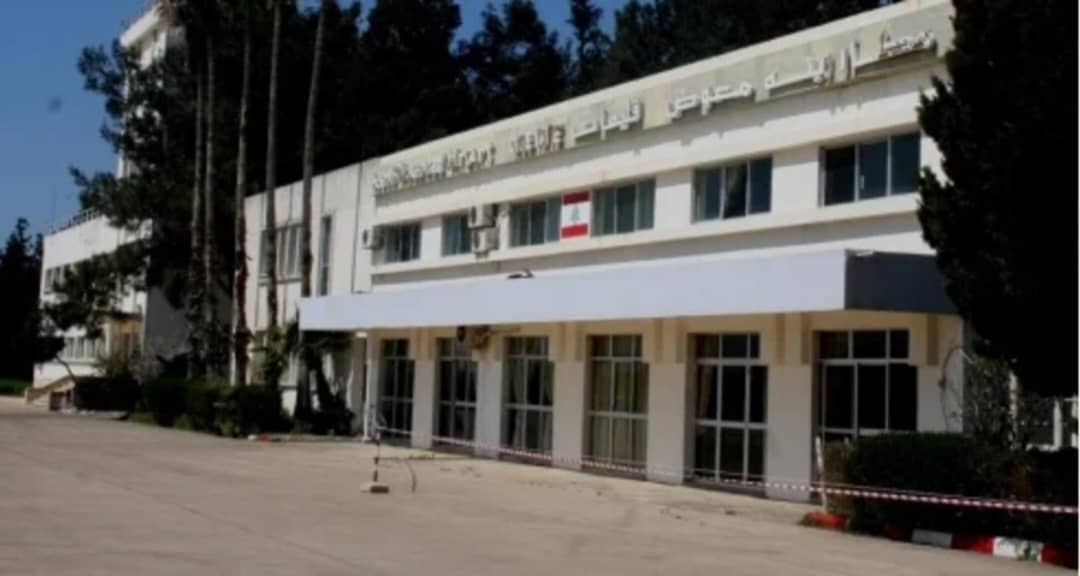
In a historic day that will remain engraved in the memory of Northern Lebanon, the country turned the page on decades of chronic neglect and systematic deprivation with the official launch of the development and operation project for the Martyr Rene Mouawad Airport in Qleiat, Akkar. This event, which carried profound sovereign and developmental weight, was not just a traditional ribbon-cutting ceremony; rather, it marked a “sovereign uprising” through which the Lebanese state asserted its economic and security presence on its northern borders.
The Opening Narrative: Aircraft Touch Down in Qleiat and the State Reclaims Its Prestige
The opening ceremony began with a breathtaking event that carried immediate practical significance. A official aircraft carrying Prime Minister Nawaf Salam and Minister of Public Works and Transport Fayez Rasamny took off from the runway of Rafic Hariri International Airport in Beirut.
Within minutes, the navigation systems at Qleiat Airport declared full readiness, and the government plane touched down safely on the historic runway of the North. It was immediately followed by a second aircraft on-site, proving beyond doubt that the airport is technically and operationally ready to receive air traffic, amid roaring applause and tears of hope from the people of Akkar and the North who gathered to witness this developmental breakthrough.
Prime Minister Nawaf Salam put his finger on the North’s wound during his fiery speech, emphasizing that operating the airport is “an par excellence political, developmental, and national decision.” He vowed that Akkar would no longer remain outside the state’s priorities, especially since it records the highest poverty rate in Lebanon at 62%.
Read also Exclusive- The “Ultimate Beneficiary” Scandal: Forensic Audit Uncovers Financial Sharks… Will the Names Be Revealed
Salam linked the present to the past, invoking the national symbolism of the airport, which witnessed the birth of the “Taif Accord” and the election of the martyr President Rene Mouawad in 1989. He firmly asserted that implementing the Taif Accord is not limited to development, but requires “the state to extend its authority over its entire territory with its own forces, and to confine the decision of war and peace exclusively to its hands.”
For his part, Minister of Public Works Fayez Rasamny dropped a major surprise by announcing that the airport will become fully operational within just a few weeks. Direct flights will launch from Akkar to prominent regional capitals such as Dubai, Istanbul, and Mersin, in cooperation with the national initiative launched by Ziad Al-Munla, Chairman of the Al Mulla Group, which owns Sky Lounges Services.
JNews Lebanon Exclusive Sources: What is the Real Strategic Importance of the Airport
Behind the official speeches and celebratory scenes, high-level political and diplomatic sources revealed to JNews Lebanon the true, highly critical dimensions behind the government’s insistence on operating the Rene Mouawad Airport at this particular time:
1. Breaking the Monopoly and Shoring Up the Alternative Air Gateway (National Security)
Our security sources reveal that operating Qleiat Airport is a strategic move to protect “Lebanese National Security.” Amid volatile regional conditions and continuous threats, relying on a single aviation gateway (Beirut Airport) constituted a fatal vulnerability for the economy and sovereignty. Today, Qleiat Airport serves as the “backup and alternative air gateway” for the Lebanese state, ensuring uninterrupted communication with the outside world and shielding the country from any potential air or military blockade.
2. Extraordinary Technical Capabilities: Obstacle-Free Landing and Ideal Weather
According to exclusive technical data obtained by our site from civil aviation authorities and Dar Al-Handasah, Qleiat Airport boasts advantages that surpass Beirut Airport in several aspects:
Geographical Location: It is completely flat with no surrounding mountains or dense residential and urban obstacles, facilitating smooth landing and takeoff operations for large aircraft and massive cargo carriers.
Weather and Climate: Technical studies have proven that the Qleiat area is not prone to air turbulence or thick fog that usually disrupts air traffic in Beirut, making it one of the safest airports in the Eastern Mediterranean.
3. Regional Cargo and Transit Hub (The Triple Link)
Economic sources confirm to JNews Lebanon that the master plan for the airport extends far beyond passenger transport; the primary goal is to transform it into the “premier logistical cargo hub for the Eastern Mediterranean.” The airport is located just a few kilometers from the Syrian border, directly adjacent to the old railway network and the Port of Tripoli. This “Triple Link” (air – sea – land) will make Akkar the main launching pad for regional reconstruction and connection of trade routes between the Arab Gulf, Syria, Turkey, and Europe.
4. Economic Revival and the Creation of 15,000 Jobs
Exclusive data indicates that fully operating the airport will ignite a massive economic revival in the North. It is expected to generate over 15,000 direct and indirect jobs for the youth of Akkar, Minyeh, and Tripoli in fields such as maintenance, logistics, customs, hospitality, tourism, and land transport—effectively lifting the “most impoverished province” label off Akkar.
Analytical Conclusion: Development with a Sovereign Taste.. Will the Text Be Fulfilled?
In conclusion, the takeoff of Qleiat Airport transcends Akkar’s geographical borders to draw a new sovereign line of confrontation between two concepts: a state of national accord protective of its national security and independent gateways, and de facto mini-states that have mortgaged the country’s sovereignty to regional axes.
Read also Exclusive-The Dahieh Shockwave: A Secret US-Israeli Plan to Eliminate Weapons
The real battle for the airport will not lie in paving runways or attracting investments, but in the ability of Nawaf Salam’s government and the military institution to protect this strategic asset from political vetoes and sabotage. The ultimate test is turning it from a mere “alternative gateway” under the weight of crises into a permanent pillar of a free economy that imposes the rule of law and exclusive state decisions from Beirut to the farthest points in the North and South.