





Written by Aline Barakat for JNews Lebanon
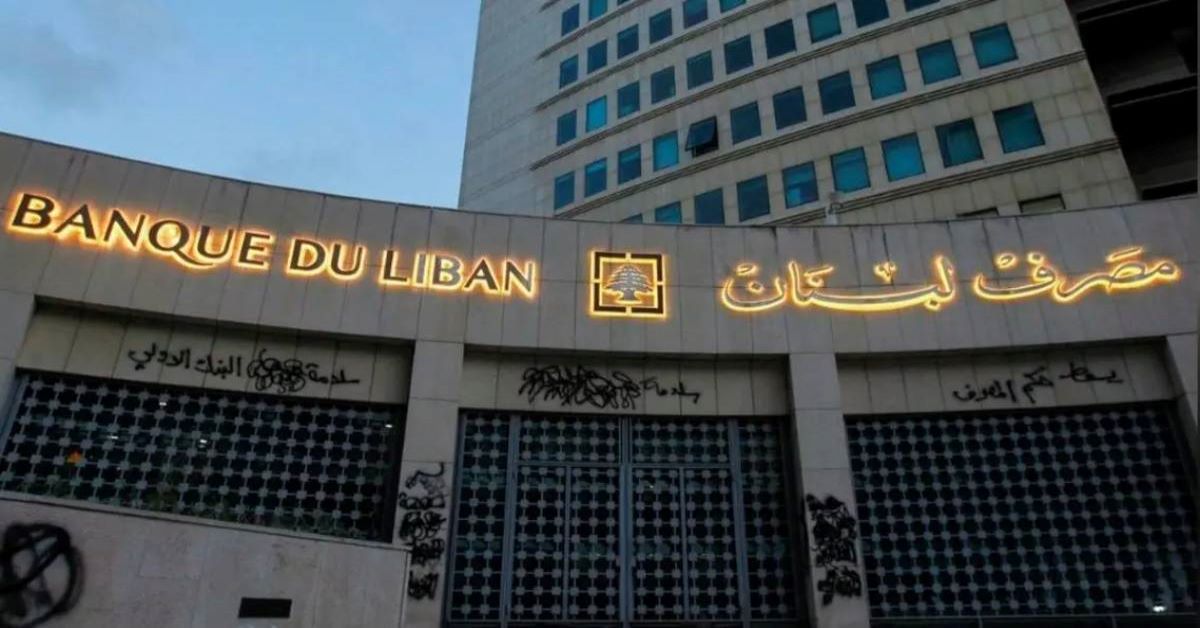
Lebanese citizens echo the phrase “forensic audit” with a sense of deep and understandable frustration. After years of collapse, frozen deposits, and accounting ambiguity, skepticism toward reform promises has become entirely justified. However, a cold technical reading confirms that the new audit within the Banque du Liban (BDL) differs radically from the previous Alvarez & Marsal experience, and one should not rush to dismiss it as a mere repetition.
Read also Exclusive- Does “Hezbollah” Really Plan to Blow Up the Qaraoun Dam? Here is the Full Truth
Financial Sources to JNews: A Technical Surgery Targeting “Transfer Sharks”
While the previous mission focused on the engineering of BDL’s accounts and historic governance failures, the new audit arrives as a localized surgery targeting operations and transfers themselves. Financial and banking sources close to the matter reveal to JNews Lebanon that the investigation zeroes in on the movement of foreign currency assets between late 2019 and the end of 2023—the exact period that witnessed the funding of chaotic subsidy programs, public sector needs, and bank accounts abroad.
Read also Exclusive- Inside the Pentagon: What the Lebanese Delegation Told Israel
Today, the questions shift into a direct forensic confrontation: Who received the dollars from the depositors’ reserves? On what legal and political basis? And who is the real “ultimate beneficiary” hiding behind the curtain?
Our private sources inside the central bank confirm that the primary objective is to pinpoint the exact amounts spent by political decisions to legally register them as state debts, rather than silently saddling depositors with the losses. Otherwise, any recovery plan will remain nothing more than an open exercise in “accounting amnesia.”
Read also Exclusive – Between Peace and Collapse: JNews Reveals by Name Who Looted Depositors’ Money in 2019
The “Subsidies” Black Box and the Six Tests
The crisis is no longer confined to the exorbitant cost of the subsidy program, but rather in verifying whether those subsidized dollars actually funded the intended goods to reflect lower prices for the consumer, or if they were twisted into a channel for arbitrage, monopolies, and smuggling. In this context, JNews Lebanon has learned from judicial and security sources that immense political pressure is being exerted behind the scenes to obstruct this specific file, preventing the explosion of names of major companies and politically protected importers.
In conclusion, our sources emphasize that the international community’s ultimate judgment on the seriousness of this step hinges on six strict tests:
The comprehensiveness and independence of the audit’s scope without red lines.
Providing transparent data containing the explicit names of the beneficiaries.
Publishing the results with sufficient detail for the public.
Referring documented financial violations to the judiciary for accountability.
The state’s recognition of the financial liabilities resulting from its political decisions.
Translating these findings into a serious framework that preserves depositors’ rights.
A forensic audit is not the final step of accountability, but it is the essential foundation and the mandatory prerequisite for any serious debate regarding responsibility and the recovery of lost rights.