



Exclusive JNews Lebanon
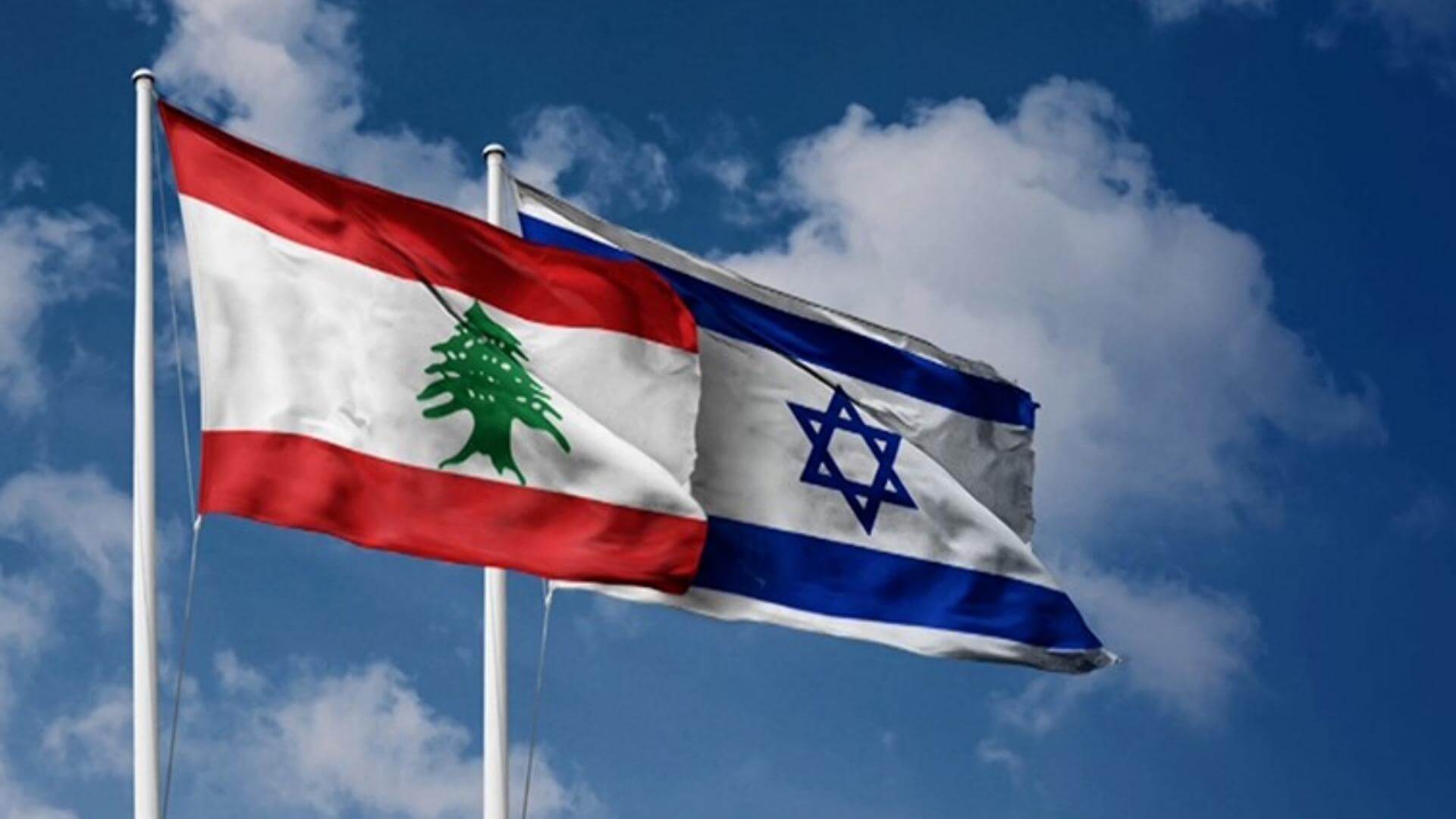
Between the diplomatic corridors of Washington D.C. and the volatile battlefields of South Lebanon, the conflict has entered a highly delicate phase of diplomatic and military brinkmanship. Under US auspices, a Lebanese military delegation continues direct discussions with an Israeli military counterpart. This constitutes a race against time to secure a permanent ceasefire just days ahead of a new round of political negotiations between the two sides.
Read also Exclusive – Between Peace and Collapse: JNews Reveals by Name Who Looted Depositors’ Money in 2019
While these talks are being held behind closed doors, their broad outlines reveal a battlefield of terms no less fierce than the military confrontations on the ground. The official Lebanese apparatus is firmly seeking to translate its military resilience into concrete diplomatic leverage.
Lebanon’s Core Pillars: An Unconditional Ceasefire First
Diplomatic sources monitoring the Washington negotiations have disclosed to JNews Lebanon the core strategy pursued by the Lebanese delegation, which hinges on two non-negotiable pillars:
Read also Exclusive- Fall of the Litani Equation: JNews Reveals the Secret Behind the Zahrani Ultimatum
- The Primary Pillar and Absolute Priority: A strict commitment to an immediate and comprehensive ceasefire. According to the source, the Lebanese side views this item as the mandatory entry point for any further discussions. The baseline remains that allowing ongoing political negotiations to advance and yield results requires silencing the weapons first.
- The Second Pillar and Institutional Support: Securing solid commitments for supporting and assisting the Lebanese Armed Forces (LAF) at all levels—logistically, financially, and militarily. This is vital to enable the army to fulfill its designated duties, most notably enforcing the principle of the “exclusivity of weapons” under the state’s sole authority.
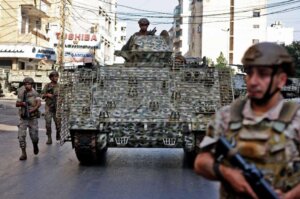
In this context, the Lebanese delegation is armed with official documents and field reports issued by the Army Command. These records prove the scale of achievements and deployment realized by military units in the south of the Litani River immediately following the signing of the November 27, 2024 agreement. Sources reveal that the delegation is holding the US side accountable, directly blaming Israel for obstructing the army’s mission by pointing to ongoing violations and its recent occupation of additional Lebanese points and towns, which hinder the establishment of legitimate state authority.
The Riddle of “Weapons Control” and the Postponed Plan
Amid these dynamics, the most complex file on the table remains the comprehensive restriction and control of weapons across all Lebanese territories. According to informed data, a comprehensive plan had been previously drafted at the request of the current government to regulate this issue and extend state sovereignty.
However, an analytical reading of the course of events reveals that this government-backed plan was forced into suspension. This occurred when Hezbollah entered the “support war” for Iran, reshuffling both regional and local cards.
Consequently, the group’s arsenal was transformed into an international and military bargaining chip that transcends Lebanese borders, turning it into the most prominent knot in the upcoming settlement clauses.
The US Push: Pressure for a Truce… But on Whose Terms?
On the opposing side, a diligent US effort is underway to pressure for an effective truce on the ground. Washington views this truce as a vital interest to propel the political negotiations track forward, providing a stable foundation to announce the broader regional agreement currently being brokered behind the scenes.
In contrast to this American pressure, prominent political sources emphasize to JNews Lebanon that any truce failing to include an immediate and complete Israeli military withdrawal from recently seized territories will merely amount to “postponing the crisis” rather than solving it. Sources argue that a prolonged Israeli presence inside Lebanese borders will keep the front vulnerable to attrition. It would also give armed factions a pretext to sustain military operations, thereby derailing any clear-cut solution.
Read also Exclusive: Hezbollah’s Ultimate Dilemma: Disarmament or Total Destruction…
Escalation Complicates Diplomacy
Political and diplomatic circles broadly agree that Israel’s policy of “escalating under fire,” paired with land grabs and the occupation of villages, severely complicates all American and international mediation efforts.
Faced with this reality, Lebanon’s message from the Washington talks appears clear: no concessions on a comprehensive ceasefire as a prerequisite, no cover for any Israeli presence on southern soil, and the army remains the sole legitimate authority on the ground. The ball is now firmly in the court of the American mediator to rein in Israeli ambitions and put the peace process back on track.