





Exclusive JNews Lebanon
Lebanon is entering a critical defining phase that places the “Framework Agreement” under its most dangerous test since its inception, following an unprecedented wave of violence and military escalation striking southern towns. Despite active U.S. diplomatic mediation attempting to halt the breakdown, field operations and political dynamics intersect to reveal parallel efforts aimed at dismantling the core negotiation understandings and confronting internal political realities through military force.
Exclusive JNews: Strategy to Collapse Negotiations and Regional Timing
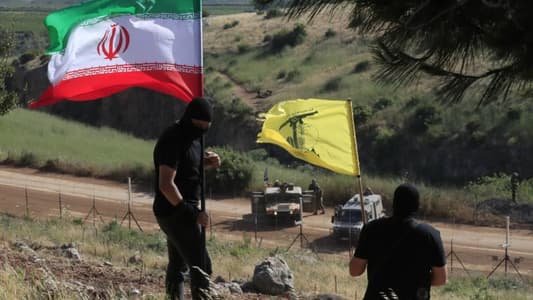
Information obtained by JNews Lebanon from informed political and field sources indicates that Hezbollah’s recent field movements have exceeded routine tactical responses. Instead, they mark the beginning of a coordinated effort to derail the Lebanese-Israeli negotiations under a broader regional strategy.
According to JNews Lebanon’s political analysis, this escalation leverages the sensitive political climate in the region to establish new realities on the ground. This strategy aims to shift focus internally, confronting the official state authority through heightened accusations and public rhetoric against the negotiation process.
Israeli Justifications and the Military Push for “Ali Al-Taher Hills”
On the other hand, diplomatic sources confirmed to JNews Lebanon that the Israeli military establishment has utilized recent operations as a pretext for extensive strikes, laying the groundwork to consolidate physical control over the Ali Al-Taher hills—a primary military objective in this current phase.
Assessments indicate a reluctance to make diplomatic concessions or approve the expansion of “pilot security zones” before securing key field objectives, further complicated by internal political dynamics ahead of upcoming regional political timelines.
Mass Displacement and Pressure on State Institutions
On the ground, JNews Lebanon correspondents documented widespread displacement as thousands of residents from southern villages moved toward the coastal highway and Beirut. This unfolding reality escalates fears of dual regional pressure exposing Lebanon to severe security vulnerabilities and economic contraction.
Politically, opposition figures express genuine alarm over the potential collapse of diplomatic understandings. Political leaders continue to emphasize the necessity of restricting arms exclusively to official state military institutions and adhering to international resolutions, warning that abandoning prior commitments leaves the nation vulnerable to regional volatility.
Key Drivers for the Coming Weeks
The Political Desk at JNews Lebanon identifies three primary factors shaping the immediate landscape:
- Derailing the Rome Track: Imposing new military realities on the ground to prevent the execution of technical protocols and the designation of pilot security zones.
- Leveraging Regional Timelines: Tying border stability to broader regional political events and leveraging military engagements for political leverage.
- Pressure on Official Governance: Placing Lebanese state institutions between field escalation and international diplomatic demands, risking institutional stability.
“Exclusive Source to JNews: The Framework Agreement risks total collapse unless international diplomacy translates into direct operational pressure to halt offensive strikes and enforce binding commitments on both parties.”