



Exclusive JNews Lebanon
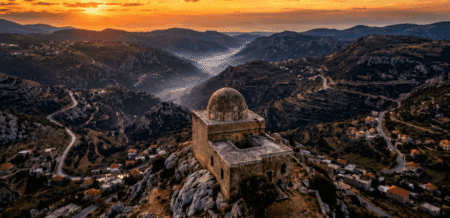
Between the cautious optimism voiced by U.S. Ambassador Michel Issa following meetings in Ain el-Tineh and the persistent military activity across southern border sectors, a complex diplomatic layer is unfolding ahead of early September. Strategic analysis indicates that the Ali al-Taher Hills Rome negotiations have become deeply intertwined, with military dynamics on the dominant high ground directly influencing technical preparations for the upcoming talks in Italy.
Exclusive Jnews: The Strategic Weight of Ali al-Taher Hills and Political Timelines
Diplomatic and military sources confirmed to “Jnews Lebanon” that persistent field focus on the strategic Ali al-Taher heights aligns closely with upcoming political and regional timelines ahead of October. Information indicates that securing operational control over these elevated vantage points is viewed as a key tactical priority prior to committing to broader field adjustments or structured withdrawal schedules.
According to “Jnews Lebanon” findings, this issue remains a primary point of discussion raised with Major General Joseph Clearfield, head of the U.S. Military Coordination Group, during his consultations in Beirut. Prime Minister Nawaf Salam reiterated to mediators that expanding pilot security zones or approving new operational steps remains contingent on halting forward escalations around Ali al-Taher and establishing clear timetables for complete territorial compliance.
Five-Nation Verification Protocol
Political sources told “Jnews Lebanon” that intense shuttle diplomacy led by General Clearfield and Ambassador Michel Issa centers on finalizing an international verification mechanism that avoids direct U.S. troop deployment on the ground. A proposed multi-nation oversight framework involving the United Kingdom, Italy, Switzerland, Canada, and Azerbaijan is being evaluated to support and monitor field tasks under the primary mandate of the Lebanese Armed Forces.
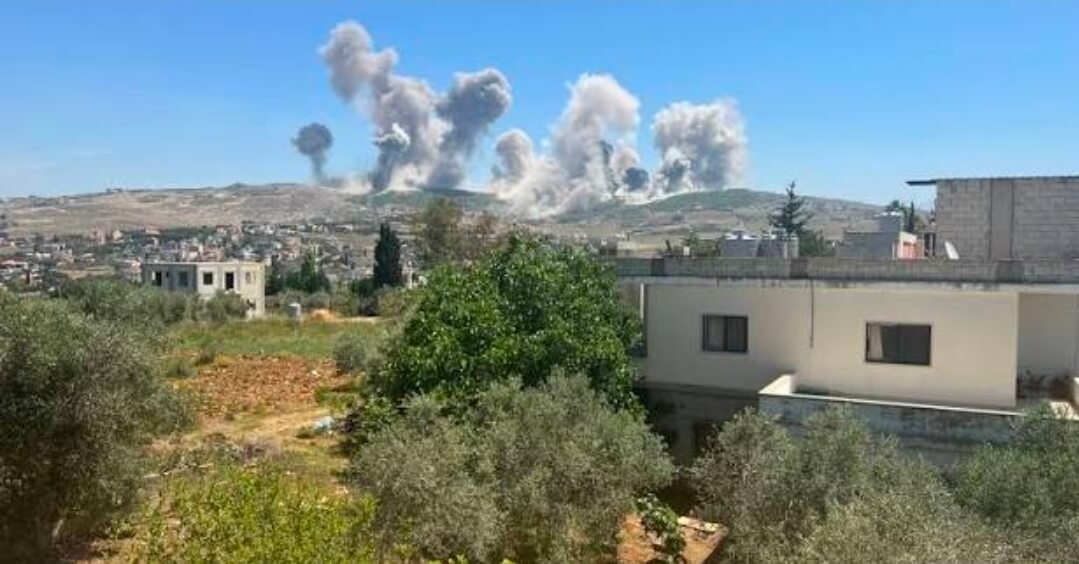
However, military analysts noted to “Jnews Lebanon” that implementation faces procedural hurdles regarding firm guarantees to cease land clearance and structural detonations in border towns such as Markaba, Bani Haiyan, and Haddatha. Lebanese military leadership has emphasized to U.S. envoys that moving forward with expanded pilot zones requires stable operational conditions on the ground.
Internal Political Spectrum: Sharp Debates Over Negotiation Terms
On the domestic front, political debate regarding the framework agreement and negotiation trajectory remains sharp. Hezbollah Secretary-General Sheikh Naim Qassem criticized the framework agreement, describing it as externally imposed and warning against prevailing political arrangements.
Conversely, major opposition voices emphasized state sovereignty. Lebanese Forces Leader Samir Geagea and Kataeb Party Leader MP Samy Gemayel stated that delays in reaching sustainable outcomes stem from incomplete political decisions to address weapons outside state authority. Both leaders underscored that establishing lasting stability requires full political backing for state institutions and the Lebanese Armed Forces to exercise complete sovereign authority nationwide.
Crucial Factors Shaping the September Talks
A strategic review by Jnews Lebanon identifies three primary vectors governing the run-up to the September Rome session:
- Tactical Leverage vs. Diplomatic Schedules: Field developments around high-altitude sectors like Ali al-Taher continue to directly impact the leverage and position of both delegations ahead of technical meetings.
- The Operational Test for Verification: The proposed five-nation oversight structure (UK, Italy, Switzerland, Canada, Azerbaijan) provides a technical blueprint, but its feasibility relies on enforcing a complete freeze on unilateral field actions.
- Domestic Political Consensus: Internal political divergence over negotiation mandates highlights the executive branch’s need to maintain a unified national policy that supports military authority and strengthens Lebanon’s negotiating position in Rome.
“Senior Military Source to Jnews: Discussions regarding new pilot security zones cannot be separated from realities around Ali al-Taher and southern border towns… Practical progress in Rome depends entirely on establishing binding, verifiable commitments on the ground.”