




Exclusive JNews Lebanon
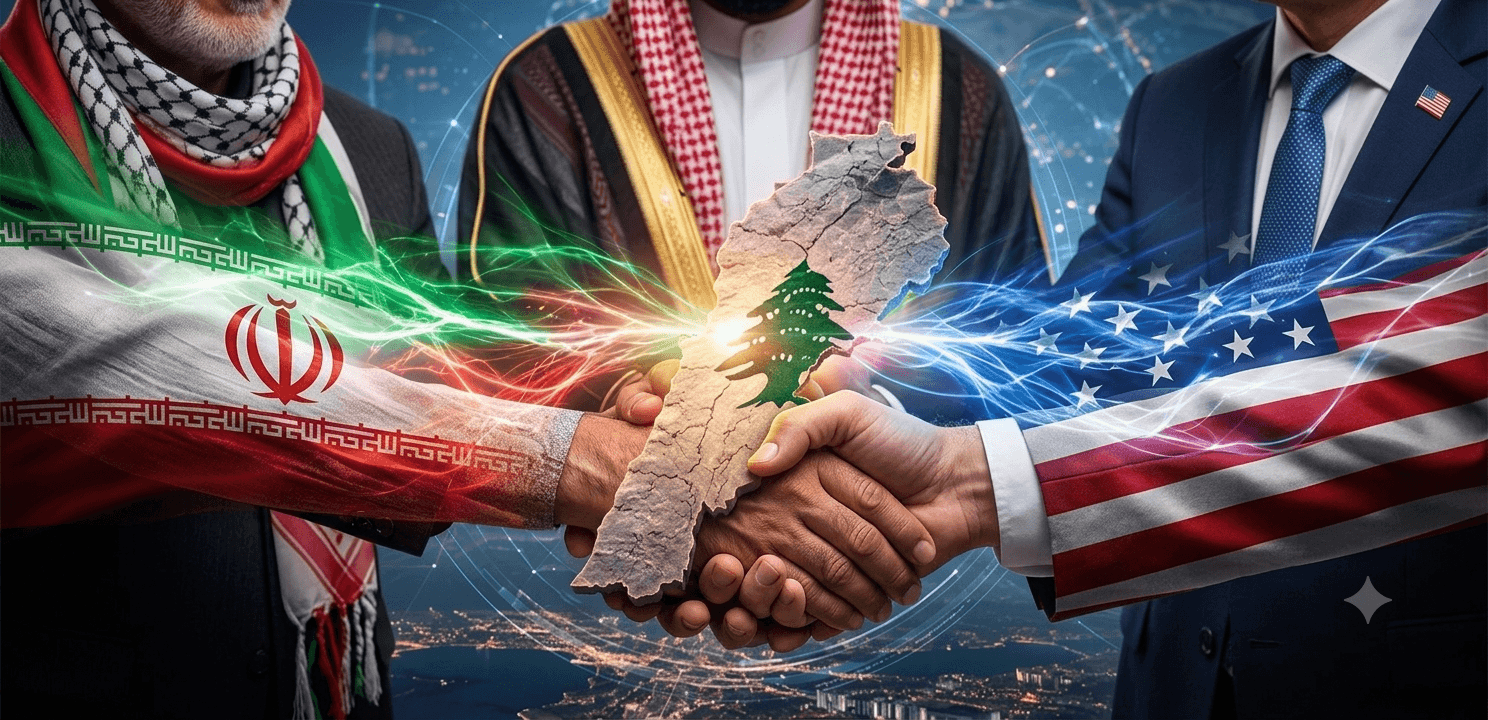
Anticipating the upcoming arrival of senior US military envoy General David Clearfield in Beirut, Washington has presented Lebanese leadership with a detailed strategic framework. Members of the US Senate have introduced landmark legislation proposing $200 million in annual security assistance to the Lebanese Armed Forces (LAF). However, this legislative support explicitly conditions funding on verifiable progress regarding the state monopoly on weapons and anti-smuggling enforcement, positioning the General David Clearfield visit and US military aid bill at the center of upcoming political and security developments.
Exclusive Jnews Insights: Details of the “Lebanon Sanctions, Stability, and Support Act”
Sources confirmed to “Jnews Lebanon” that General Clearfield’s mission includes reviewing operational terms tied to the proposed legislation in Congress. The draft bill links aid packages directly to the ability of the Lebanese Armed Forces and Internal Security Forces (ISF) to enforce arms control, combat illicit trafficking, and disrupt unauthorized funding channels.
The proposed package includes $200 million in Foreign Military Financing, $20 million annually over three years for security personnel salary support, alongside designated funds for counter-narcotics, counter-terrorism, and reconstruction support. Concurrently, the bill grants the US administration authority to apply targeted sanctions, asset freezes, and visa restrictions on foreign entities providing material support to non-state armed groups in Lebanon.
Diplomatic Trajectory and Baabda’s Strategic Outlook
Despite ongoing deliberations surrounding the seventh negotiation round in Rome and discussions regarding pilot security zones, Baabda sources inform “Jnews Lebanon” that President General Joseph Aoun maintains a structured outlook on the diplomatic process. Leadership views delays in Rome as reflective of broader regional and international electoral timelines rather than an insurmountable impasse.
Lebanese officials anticipate potential breakthroughs on border frameworks and detainee exchanges prior to year-end, provided state institutions maintain a consistent approach toward sovereign decision-making and international commitments.
Domestic Challenges: Public Sector Strike Confronts Government Measures
Domestically, executive authorities face rising socio-economic pressures following the announcement of a comprehensive public sector strike scheduled for Monday, August 10. The Public Sector Workers’ Union and Public Administration Employees’ Association declared the mobilization in response to cabinet decisions regarding retroactively phased salary adjustments.
In response, Finance Minister Yassin Jaber, following consultations with Maronite Patriarch Cardinal Mar Bechara Boutros al-Rahi at Dimane, clarified that official salary increases will be disbursed as scheduled, with retroactive payments structured to safeguard currency stability and mitigate inflationary risks. Concurrently, the Cabinet has slated a dedicated session to address administrative and financial solutions for national waste management.
Balancing Security Support and Domestic Stability
A strategic assessment by Jnews Lebanon highlights three key dimensions shaping the current phase:
- Conditional Military Assistance: Congressional legislation demonstrates that international security funding remains tied to measurable enforcement of state authority and border security protocols.
- Diplomatic Timelines Ahead of Year-End: The Presidency maintains focus on diplomatic channels to achieve negotiated outcomes, necessitating internal administrative stability to support official delegations.
- Managing Public Sector Demands: The scheduled administrative strike presents immediate operational challenges for public services, requiring balanced solutions that maintain social equity while safeguarding exchange rate stability.
“Senior Parliamentary Source to Jnews: Congressional proposals offer substantial institutional support for national security forces, but unlocking these funds depends on clear, state-led enforcement of legal and security frameworks.”