



Exclusive JNews Lebanon
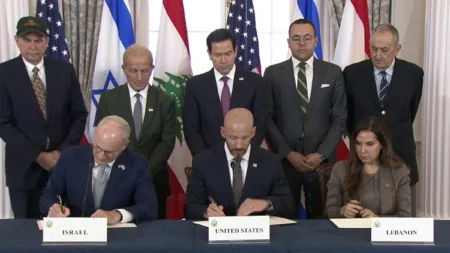
As Prime Minister Nawaf Salam leads intensive ministerial meetings to coordinate economic recovery and civilian return in South Lebanon, trilateral negotiations in Rome stand at a complex crossroads. While the military track achieved a technical consensus on core concepts, operational tracks remain blocked by Israeli reluctance to expand pilot security zones. Intersecting with the one-year anniversary of the Cabinet’s historic August 5 and 7 decisions, the current landscape illustrates that the Rome talks and weapons monopoly stalemate share a central challenge: linking complete territorial withdrawal to enforceable state authority over national defense assets.
Exclusive Jnews Insights: Baabda Sources Clarify Agreement on Operational Terms
Sources close to the Cabinet and Baabda Palace confirmed to “Jnews Lebanon” that the military track of the Rome negotiations achieved an important technical consensus, finalizing reference terms and definitions to govern trilateral operational coordination between Lebanon, Israel, and the United States.
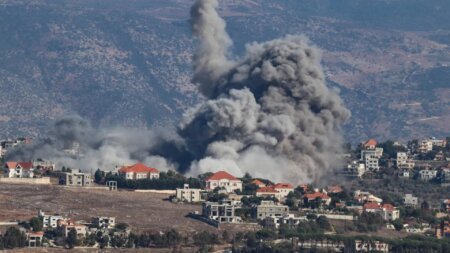
However, this technical baseline has been overshadowed by persistent field friction. Israeli negotiators continue to stall on expanding “pilot security zones” beyond initial areas (such as Froon, Srifa, and Zautar al-Gharbiya) toward key border sectors like Bint Jbeil and Khiam. Coupled with a refusal to provide explicit ceasefire commitments or grant third-party verification powers, negotiation rounds risk revolving around operational mechanisms without binding field outcomes.
One Year Since August 5 & 7 Decisions: A Historic Mandate Awaiting Full Execution
The recent negotiations coincide with the one-year mark of the Lebanese Cabinet’s historic decisions adopted on August 5 and 7, 2025, which mandated the restriction of arms exclusively to legitimate state military and security forces, designating unauthorized weapons outside state frameworks as non-compliant. Despite initial security deployments south of the Litani River, subsequent regional friction returned the security equation to square one, leaving implementation incomplete.
This implementation gap has placed significant strain on Lebanese diplomacy, undermining its leverage before international partners. As political rhetoric continues to target state leadership, international military support and financial backing for the Lebanese Armed Forces remain tied to concrete steps toward establishing full state authority over weapons, reducing diplomatic pressure on Israel and providing pretexts for ongoing military operations.
The Salam Government Facing Regional Challenges: Recovery Amid Conflict
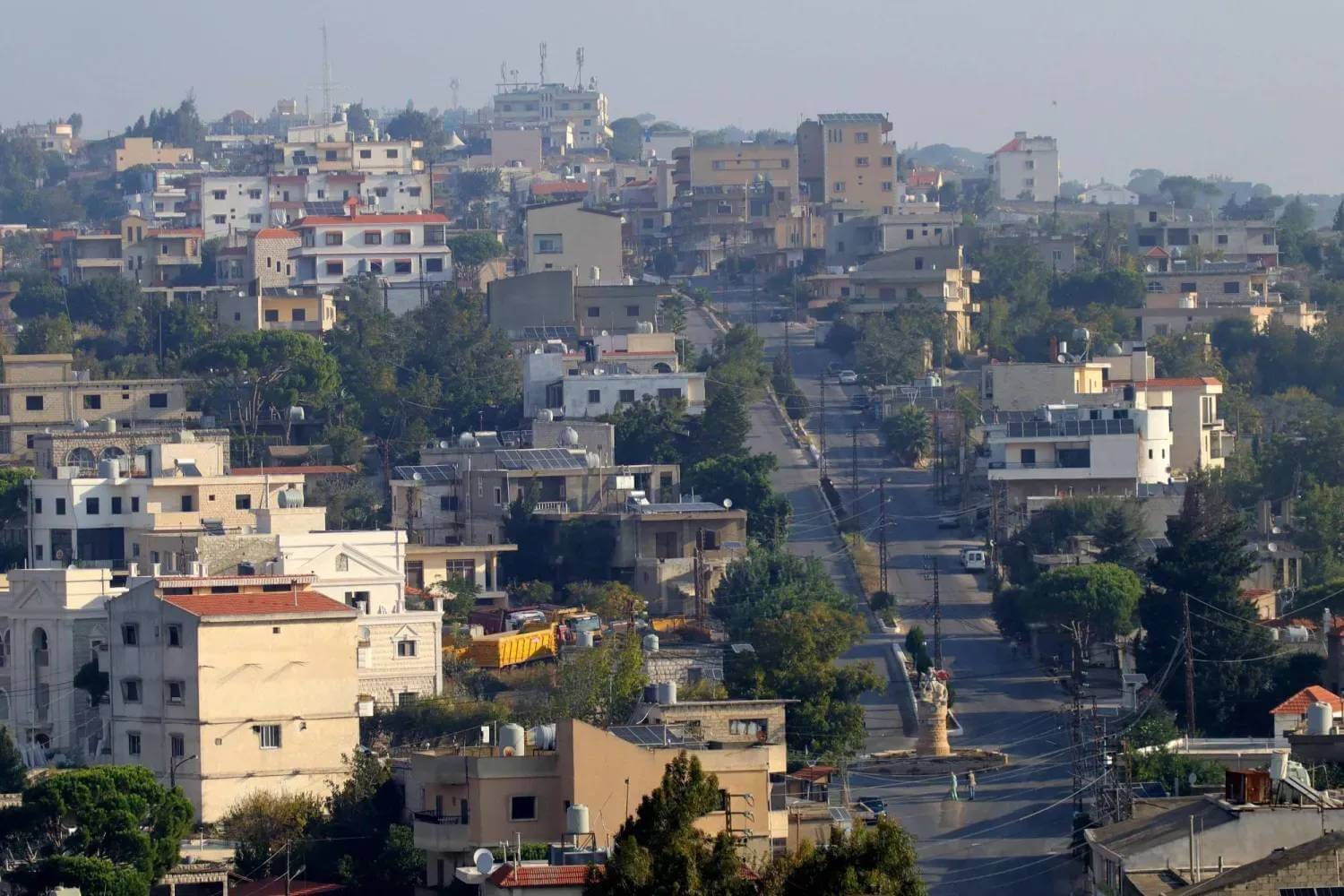
Despite domestic political pressures and external challenges, the government led by Prime Minister Nawaf Salam continues its diplomatic and economic efforts to rebuild southern infrastructure, facilitate civilian return, and secure the release of detainees. However, securing long-term international backing for army deployment and reconstruction remains directly linked to demonstrating unified national backing for official state institutions.
The Interconnected Path to Sovereignty
A political analysis by Jnews Lebanon identifies three primary takeaways defining the current phase:
- The Cost of Deferred Decisions: The delay in fully executing the state weapons monopoly decision over the past year has weakened Lebanon’s negotiating posture, leaving international partners hesitant regarding implementation timelines.
- Linking Withdrawal to Unified State Authority: Securing a full Israeli withdrawal and a permanent end to airstrikes requires clear political consensus behind the state’s exclusive mandate over national defense and border security.
- Addressing Diplomatic Delays: Ongoing delays from Israeli negotiators aim to stall momentum ahead of domestic electoral cycles, requiring Beirut to maintain a unified, state-led diplomatic posture to protect national interests.
“Senior Sovereign Source to Jnews: Prime Minister Nawaf Salam’s administration is managing recovery and border defense with maximum responsibility. However, the lack of full state control over national weapons continues to provide Israel with excuses to stall the framework agreement and delay southern reconstruction.”