



Exclusive JNews Lebanon
Lebanese diplomacy in the Italian capital of Rome is engaged in a high-stakes race against attempts to derail direct negotiations. Even as southern field conditions deteriorated following an explosive blast in Majdal Zoun—triggering evacuation notices and targeted strikes—deliberations inside the US Embassy in Rome recorded notable technical progress regarding border documentation. The outcome of Day Two of Rome talks and South escalation remains centered on a battle of wills between state diplomacy and field disruptions.
Exclusive Jnews: Documented Border Progress and Verification Mechanisms
Sources tracking the negotiations from Baabda Palace confirmed to “Jnews Lebanon” that the second day of talks at the US Embassy in Rome was more constructive than the opening session. Discussions proceeded across three separate tracks (political, military, and border demarcation), with US mediators praising the comprehensive legal and historical presentation delivered by the Lebanese delegation, headed by Ambassador Simon Karam.
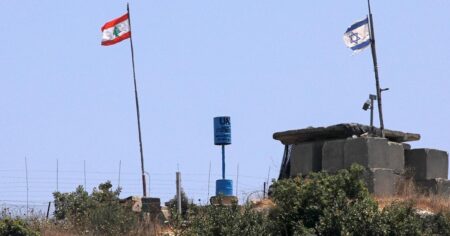
The Lebanese team presented documented evidence detailing border evolutions from the 1949 Armistice Line to the Blue Line and current field positions. While progress was made on border verification mechanics, Israeli negotiators rejected Lebanon’s proposal to expand pilot security zones toward Bint Jbeil or Khiam, conditioning further withdrawals on Hezbollah disarmament. Amid rising field tensions, US facilitators paused afternoon sessions to conduct high-level contacts ahead of today’s round.
Field Dynamics: Majdal Zoun Blast, Mansouri Warning, and Tel Aviv’s Messaging
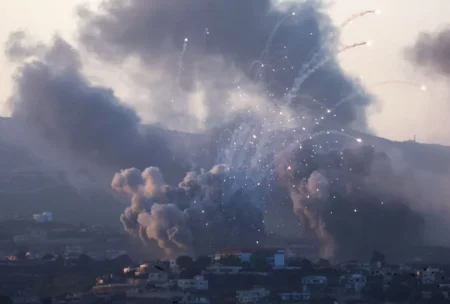
On the ground, an explosion targeting Israeli forces inside a rigged building in Majdal Zoun—resulting in two fatalities and seven injuries among 55th Brigade personnel—sharply elevated border tensions. Israeli forces launched artillery and strikes targeting Tebnine and Ali al-Taher, alongside an evacuation order for Mansouri that prompted dozens of families to relocate.
Political analysis by “Jnews Lebanon” indicates that Israeli military pressure aligns with domestic political maneuvering ahead of early elections, intersecting with Hezbollah’s efforts to challenge the negotiating framework. However, the Lebanese delegation immediately addressed the Mansouri evacuation order within negotiation channels, pressing for a renewed 60-day ceasefire commitment.
Regional Contacts and Maronite Church Backing for State Authority
On the regional level, a phone call between Italian Foreign Minister Antonio Tajani and Iranian Foreign Minister Abbas Araghchi highlighted broader diplomatic interest in the Rome meetings. Tajani emphasized the importance of regional calm to support the negotiations, alongside ongoing discussions regarding maritime navigation in the Strait of Hormuz.
Domestically, the Maronite Bishops’ Council, chaired by Patriarch Cardinal Mar Beshara Boutros Rai, issued a statement supporting the trilateral negotiation track, condemning infrastructure destruction along border villages, and calling for an immediate end to hostilities. This position reinforces Prime Minister Nawaf Salam’s firm response to Sheikh Naim Kassem’s remarks, reiterating that national sovereignty relies exclusively on state authority and army deployment.
“Senior Baabda Source to Jnews: Lebanon’s technical border presentation earned explicit recognition from US facilitators. Field developments will not derail Lebanon’s commitment to securing a complete ceasefire and upholding state authority.”