




Written by khoder Farhat for JNews Lebanon
Israel wasted no time translating its implicit stance regarding the direct trilateral negotiations taking place in Rome. Instead of offering concessions or security guarantees to the Lebanese delegation, Tel Aviv disrupted the southern field with intense airstrikes and localized detonations. This military posture places the entire diplomatic round under a severe test, directly tying the fall of Mansouri and Ali al-Taher escalation to the fate of the diplomatic track in Italy.
The Evacuation of “Mansouri” and Army Deployment: Fire Messages from Tel Aviv
Military sources and analysts tracking the negotiations confirm that recent Israeli shelling was far from random. Direct shelling and white phosphorus forced Lebanese Armed Forces units to adjust their positions and evacuate select posts around Mansouri in the Western Sector. Military observers caution that this scenario could extend toward the strategic heights of “Ali al-Taher” near Nabatieh.
From a political standpoint, Tel Aviv appears intent on testing the operational scope of army deployment south of the Litani River. By creating tactical friction, Israeli leadership aims to signal to international mediators that border arrangements remain subject to battlefield leverage.
Refusal to Expand “Pilot Security Zones”: Israeli Election Calculations
During the Rome sessions, the Lebanese delegation pushed to expand pilot security zones to include key southern areas such as Bint Jbeil and Khiam. However, Israeli negotiators rejected these proposals. Political sources indicate that Tel Aviv’s firm stance aligns closely with domestic electoral considerations ahead of upcoming Israeli elections.
Israeli leadership remains reluctant to grant political breakthroughs to the Lebanese government led by Prime Minister Nawaf Salam. Instead, maintaining controlled security pressure along the border serves domestic political narratives while preserving operational flexibility within a 10-kilometer perimeter.
The “Ali al-Taher” Ridge: Flashpoint Over Strategic Infrastructure
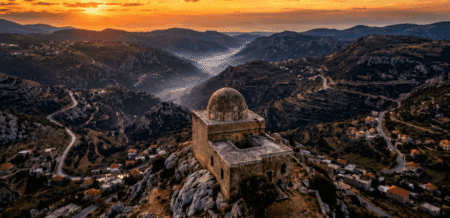
The most critical focal point in the coming days centers on the “Ali al-Taher” heights overlooking Nabatieh and Iqlim al-Tuffah. Beyond its commanding geographical elevation, this ridge holds significant military relevance due to defense networks established south of the Litani.
Information obtained by “Jnews Lebanon” reveals that operational readiness has heightened on both sides. Israeli forces seek to neutralize strategic positions along these heights, while Hezbollah units have raised alert levels to counter any ground movement toward the facility, treating the ridge as a red line within existing deterrence rules.
What Lies Ahead for South Lebanon?
Based on field data and diplomatic developments, political analysis by Jnews Lebanon outlines four probable scenarios for the coming phase:
- Stalemate in Upcoming Rome Rounds: Continued refusal to commit to a binding ceasefire risks freezing diplomatic talks in Rome, putting pressure on Washington to assume a more active mediating role.
- Escalation Around “Ali al-Taher”: Indicators suggest that “Ali al-Taher” could witness localized standoff strikes or precision operations. Israeli forces may target subterranean positions, while resistance forces prepare counter-measures against direct ground approaches.
- Tactical Adjustments for Army Units: The Lebanese Army is expected to maintain cautious repositioning to avoid direct artillery fire while preserving its core deployment mandate and operational integrity.
- Controlled High-Intensity Friction: Israel is likely to maintain calibrated military pressure short of a full-scale regional war, leveraging time ahead of its elections to establish new security realities along the border.
“Analytical Source to Jnews: Israel is negotiating under fire to reshape the framework agreement in its favor. However, turning the Ali al-Taher ridge into a major battleground risks reigniting the broader front and derailing gradual de-escalation efforts.”