




Exclusive JNews Lebanon
An unprecedented political and diplomatic shift dominates the Lebanese landscape this morning, moving legitimate state authority out of traditional silence and into direct confrontation. On the heels of the sixth anniversary of the Beirut Port explosion, political tensions escalated sharply following Prime Minister Nawaf Salam’s firm rebuttal to Hezbollah Secretary-General Sheikh Naim Kassem. This clash coincided with the launch of the seventh round of direct trilateral negotiations in Rome, drawing new boundaries around direct negotiations and Salam reply to Kassem.
End of Political Truce: Salam Holds Kassem Accountable for Futile Support Wars
The sharp verbal confrontation between Prime Minister Nawaf Salam and Sheikh Naim Kassem highlights a major turning point in how state leadership handles domestic pressure. After Kassem questioned the legitimacy of direct diplomacy, accused the government of betrayal, and claimed state leadership acted as an aid to Israel, Salam responded decisively via X. The Prime Minister reaffirmed that decisions regarding war and peace belong exclusively to the state and its national army, arguing that those who unilaterally dragged the country into reckless conflicts hold no authority to lecture others on patriotism.
Government sources revealed to “Jnews Lebanon” that Salam’s response was coordinated across national leadership to prevent tying Lebanon’s future to external regional axes. Executive leadership has moved away from past political compromises that allowed accusations of treason to undermine diplomatic negotiating teams or bypass formal state institutions.
Exclusive Jnews Insights: Day One in Rome — Red Lines on Violations & Rejection of Economic Talks
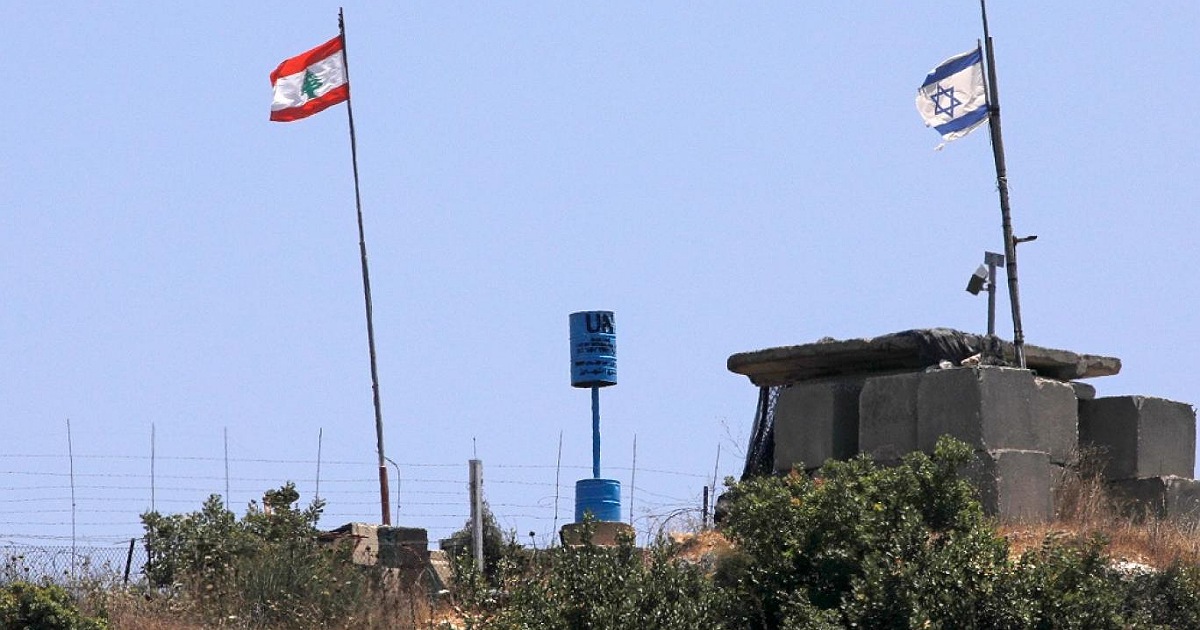
At the negotiation table in Rome, reliable sources within Baabda Palace informed “Jnews Lebanon” that the opening session involved detailed discussions on security realities. Head of the Lebanese delegation Ambassador Simon Karam and Ambassador to Washington Nada Mouawad presented extensive briefings, supported by maps and documentation, highlighting the scope of Israeli demolition and land-clearing operations across southern border towns.
The Lebanese delegation formally requested a renewal of the previously declared ceasefire and an immediate end to Israeli violations, urging US mediators to convey these demands directly to Israeli political leadership—a request met with strong understanding from US facilitators. Exclusive sources for “Jnews” also confirmed that the Lebanese team maintained a firm position by refusing to discuss economic matters, insisting on keeping the agenda strictly focused on land border demarcation, pilot zone expansion, and national sovereignty.
Port Blast Accountability: Firm Legal Timeline Ahead of Year-End Indictment
Meanwhile, public calls for judicial progress in the August 4 port explosion case continue to shape the national agenda. Following commemorative gatherings organized by victims’ families and legal syndicates, judicial avenues are advancing toward resolving years of political delay. Minister of Justice Adel Nassar confirmed that the Public Prosecution is actively working to finalize the case file without delay.
In this context, President of the Beirut Bar Association Emad Martinos announced that Prosecutor General Judge Ahmed Rami El Hajj will submit the primary prosecution brief by December 31 at the latest. This step prepares the way for Lead Investigator Tarek Bitar’s indictment to reach the Judicial Council for open trial proceedings.
“Senior Government Source to Jnews: Prime Minister Salam’s stance is definitive—there will be no negotiations under domestic threats of treason, nor compromises on state sovereignty. US mediators expressed clear understanding toward Lebanon’s demands in Rome regarding an immediate end to border violations.”