



Exclusive JNews Lebanon
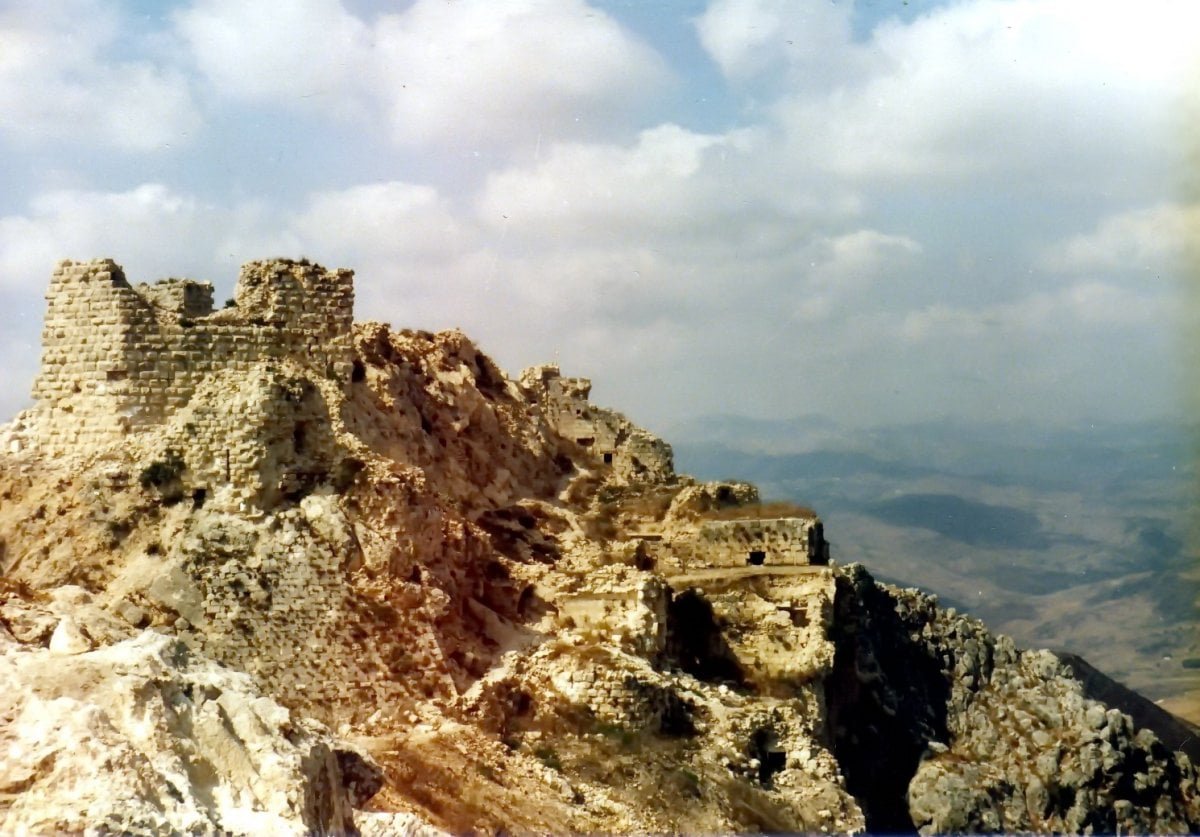
The seismic shockwaves recorded by monitoring stations shortly after midnight on Friday were far from routine detonations. Instead, they delivered a high-volatility battlefield signal, reshaping the political landscape just five days ahead of the pivotal seventh round of talks in Italy. As regional tensions mount along the Washington-Tehran axis and maritime traffic faces constraints in the Strait of Hormuz, systematic Israeli demolitions near Beaufort Castle and Yohmor al-Chqif cast a heavy shadow over the Rome negotiations Yohmor explosion dynamics.
The Yohmor Quake: Flattened Topography and Shifted Rules of Engagement
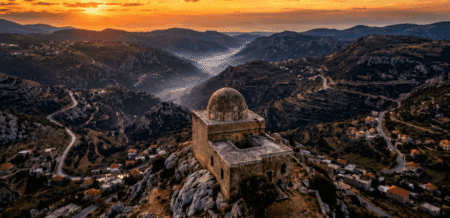
The unprecedented explosion—registered as equivalent to a 3.8 magnitude earthquake—drastically altered the terrain spanning over 1,200 meters south of the historic Beaufort Castle. According to field observations obtained by “Jnews Lebanon”, the controlled demolitions transformed the mosaic-rich rocky heights of “Jwar al-Darnakiya,” “Marj al-Sultan,” and “Areed al-Hawa” into barren chalky rubble stretching down to the “Al-Mazhlaq” slope. This tactical step underscores a clear intent to strip strategic high ground of natural cover before discussions resume on implementing Phase One pilot zones.
High-Stakes Gulf Diplomacy and Government Working Sessions
Amid the lingering smoke over the Beaufort sector, Beirut anticipates the arrival of Saudi Envoy Prince Yazid bin Farhan alongside Qatari Minister of State for Foreign Affairs Mohammed bin Abdulaziz Al-Khulaifi. Diplomatic sources informed “Jnews Lebanon” that this dual Gulf initiative aims to safeguard calm and prevent regional escalation from engulfing the Lebanese arena. Concurrently, the Prime Ministry directed open-ended coordination meetings at the Grand Serail to ensure the safe return of displaced residents and remove operational hurdles facing the Framework Agreement.
Exclusive Jnews Insights: Behind the Yarzeh Security Summit
In a related development, senior security sources revealed to “Jnews Lebanon” that the high-level meeting between Army Commander General Rodolphe Haykal and US Ambassador to Lebanon Michel Issa extended well beyond routine protocol. Sources confirmed to “Jnews” that Washington reaffirmed the critical necessity of deploying the Lebanese Armed Forces as the primary security guarantor within the executive mechanism proposed for the Rome talks.
Sources added that Ambassador Issa emphasized Washington’s backing for the Army’s deployment plans, noting that the upcoming seventh round in Rome will focus on establishing a binding timeline to halt field violations and stabilize border sectors.
“Exclusive Source to Jnews: Tel Aviv’s aggressive engineering operations in Yohmor reflect a final push to extract leverage before taking its seat in Rome. However, the diplomatic outcome hinges on Washington’s ability to hold all parties accountable to the Framework Agreement.”