



Exclusive to JNews Lebanon
Lebanon enters the critical 60-day transitional window under a cloud of heavy anticipation, suspended between the fragile strings of the Washington negotiations—currently rattled by sudden Israeli hurdles—and the high-stakes backchannels in Doha moving to the rhythm of major regional settlements. Amid this highly volatile landscape, the domestic political stagnation was broken by a decisive stance from President of the Republic General Joseph Aoun. He cleared the ambiguities surrounding the “Framework Accord,” fiercely defending the track of direct negotiations as “the best possible option to safeguard the state’s judicial and field rights following two lost wars,” while simultaneously launching a clear political deterrence equation: “In politics, criticize as much as you want… but do not dare approach the street.”
Read also The Roundup- “Framework Accord” in ICU Amid Sharp Israeli Escalation and Deep Internal Rifts
Tensions Rise in Doha.. The Battle Over “Uranium and Blocked Funds”
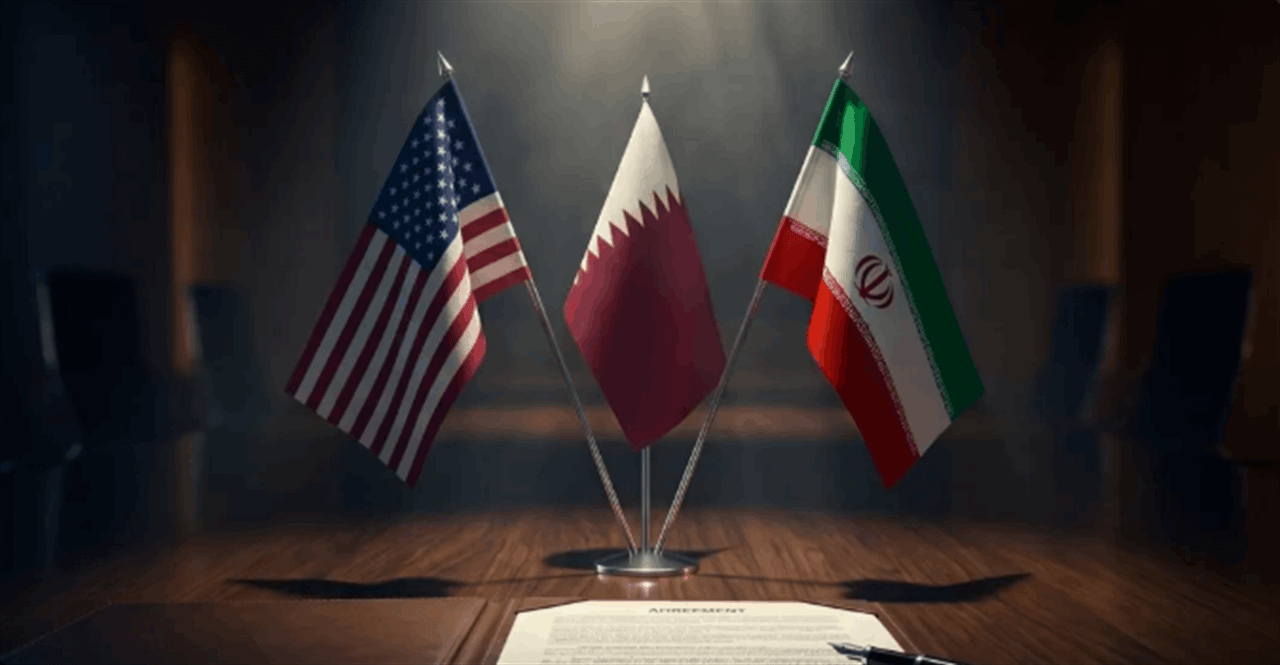
Behind closed doors in the Qatari capital, diplomatic sources have disclosed to JNews Lebanon that the indirect technical talks facilitated by Qatar and Pakistan are witnessing a sharp deadlock centered around sequencing priorities for the US-Iran memorandum of understanding.
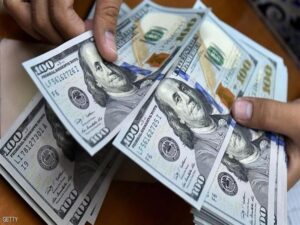
Our exclusive data reveals that negotiators from both sides still refuse to sit at a unified table, with all sessions conducted within “separate rooms.” While this extensive round of talks yielded a preliminary agreement to release $3 billion in frozen Iranian assets as a goodwill gesture praised by the White House, the fundamental hurdle remains Washington’s insistence on kicking off negotiations with the “uranium stockpile dossier.” Conversely, the Iranian side completely rejects this timeline, steadfastly demanding that the agenda begin with “lifting sanctions and ensuring freedom of navigation in the Strait of Hormuz.” This comes amid explicit clarifications by US Vice President JD Vance that the current understanding aims to re-mobilize the global oil economy, though the option of military confrontation remains firmly on the table once energy markets stabilize.
Read also Exclusive- A Blow to the Opposition: The Gulf Alignment Shifts the Balance of Power in Lebanon
The Internal Safety Net: The Baabda-Ayn al-Tineh Intersection and Military Immunity
Locally, warnings against sliding into internal civil strife have materialized into an unannounced political safety net via a clear intersection between Baabda Palace and Ayn al-Tineh. Despite the significant reservations voiced by Speaker of Parliament Nabih Berri—who argues that the framework accord requires internal constitutional ratification through both the cabinet and parliament since it constitutes a “political understanding” rather than a binding treaty—JNews Lebanon sources confirm that the rumored “joint opposition front” between Berri and Walid Jumblatt remains entirely frozen. Jumblatt has chosen to align himself with the presidency while maintaining his specific observations, while Berri is focusing his energy entirely on blocking any field disruption or street escalation.
Read also Exclusive- The 2% Tax Slashed—Continuous Fuel Drops to Ease the Burn Until August!
Damascus on the Line: “State-to-State” Diplomacy and the Monopolization of Weapons
On the regional flank, Lebanon is preparing to welcome Syrian Foreign Minister Assaad Al-Shaibani in an extraordinary visit that lays the groundwork for establishing the “Lebanese-Syrian Joint High Committee.”
Exclusive intelligence obtained by JNews Lebanon indicates that Al-Shaibani carries a direct mandate from Syrian President Ahmad Al-Sharaa, anchored on reorganizing bilateral relations on a strict “state-to-state” basis with full respect for Lebanese sovereignty. Our sources reveal that the Syrian minister will present an initiative aimed at supporting the Lebanese state through a consensual political process to ensure that weapons are held exclusively by legitimate state institutions, thereby averting domestic conflict. Notably, his official itinerary will include a highly symbolic stop in the city of Tripoli to perform Friday prayers at the “Al-Taqwa Mosque”—a move loaded with political weight aimed at cementing a new era of official relations between the two countries.
Read also Exclusive—Lebanon’s “Golden Visa” Scheme: Investment Gateway or Daylight Robbery?