




Written by Joyce houeiss for JNews Lebanon
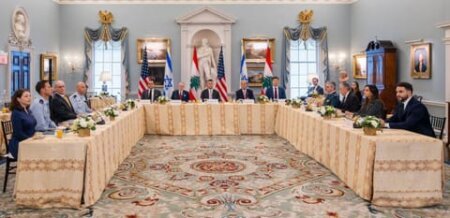
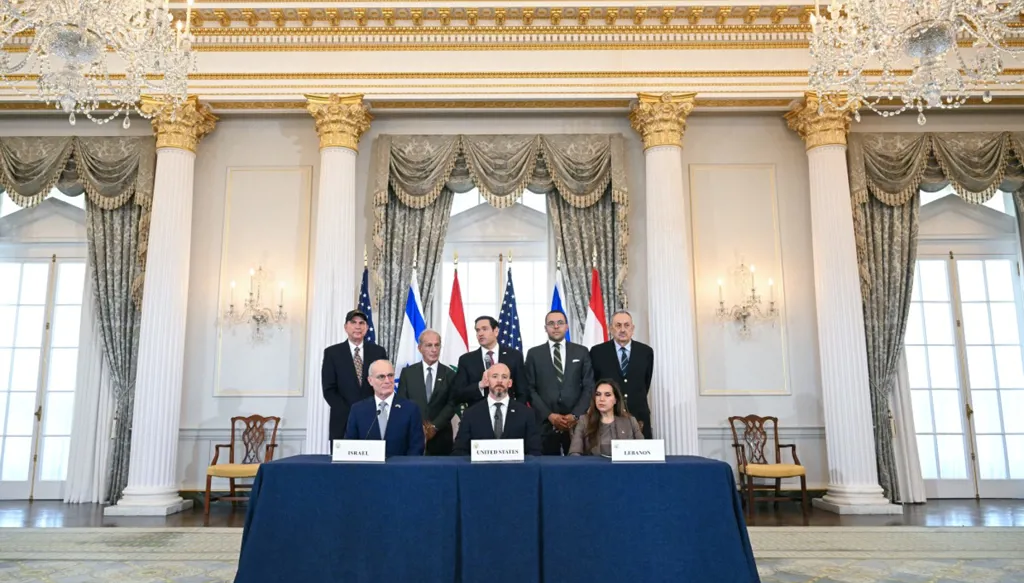
Lebanon stands at one of the most critical and decisive crossroads in its modern history, as the “Framework Accord” aimed at ending the war hangs in the balance between internal political pushback and sharp Israeli military escalation on the ground. This deep domestic division is vividly illustrated by the conflicting approaches of top officials: the Baabda Presidential Palace views the accord as the “last chance” to salvage what remains of Lebanese sovereignty, while Ayn al-Tineh—led by Speaker of Parliament Nabih Berri—treats the agreement as though it was “born dead,” launching an extensive political and parliamentary campaign to contain and block its implementation under the pretext that it must first receive formal cabinet and parliamentary ratification.
A Diplomatic Front to Establish “Red Lines”
Amid this internal turbulence, highly reliable official sources have disclosed to JNews Lebanon that communication channels between Lebanese leadership and Arab and international stakeholders have accelerated rather than paused, aiming to ensure the country does not slide into total instability. According to our insights, these diplomatic efforts have successfully established a domestic safety net anchored by two non-negotiable red lines:
- Preventing Street Mobilization: A strict ban on field movements or protests that could trigger internal civil strife at a time of extreme political polarization.
- Shielding the Government: Preventing any attempts to disrupt governmental stability, thereby ensuring an active executive authority capable of overseeing the upcoming American-backed mechanism to launch the initial withdrawal from the “First Model Zone.”
The Military Establishment Dossier: Cheap Fabrications Exposed
On another front, our official sources put an end to rumors propagated by certain opposition media outlets alleging backchannel pressures to replace the Commander of the Lebanese Armed Forces, General Rudolf Heikal, or claiming tensions in his relationship with President of the Republic Joseph Aoun. A senior official source described these leaks to JNews Lebanon as “cheap fabrications,” confirming that the Army Commander was a primary partner in the negotiations, closely accompanying the hours-long Washington talks. Furthermore, it was a specialized Lebanese military delegation that directly drafted the operational security annex in continuous, daily coordination with General Heikal. This solid institutional alignment was recently reaffirmed during a high-level meeting at Baabda Palace, neutralizing defamation campaigns and confirming the army’s absolute readiness to secure the ground and hold exclusive verification authority in the designated withdrawal zones.
Regional Dimensions: Netanyahu’s Tour and Damascus’s Shift
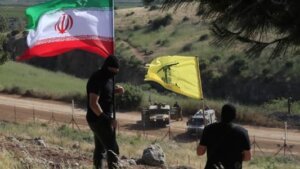
On the ground, Israeli Prime Minister Benjamin Netanyahu’s tour of occupied zones in southern Lebanon has cast a veil of dangerous ambiguity, as he directly tied his army’s withdrawal to the total elimination of military threats. Netanyahu publicly accused Tehran of orchestrating the strategic underground tunnel networks, an escalation that mirrors the ongoing American-Iranian deadlock playing out within “separate rooms” in Doha over the sequencing of regional priority files.
Concurrently, a new regional alignment is emerging from Damascus. Diplomatic circles in Beirut have received decisive statements from the Syrian President rejecting attempts to turn Syria into a theater of external chaos. This shift sets the stage for an upcoming visit by the Syrian Foreign Minister to Beirut to formally establish the “Lebanese-Syrian Joint High Committee” and actively contribute to stabilizing Lebanon’s internal front.
Suspended between the domestic safety net that Ayn al-Tineh and the Free Patriotic Movement are attempting to forge under the banner of “preventing strife and amending operational terms,” and the international insistence on launching the initial experimental phases, the “Framework Accord” remains in critical care, waiting to see how the geopolitical landscape settles on the ground.