


Exclusive JNews Lebanon
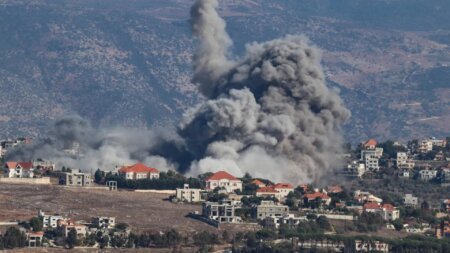
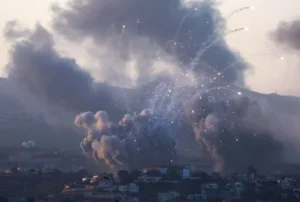
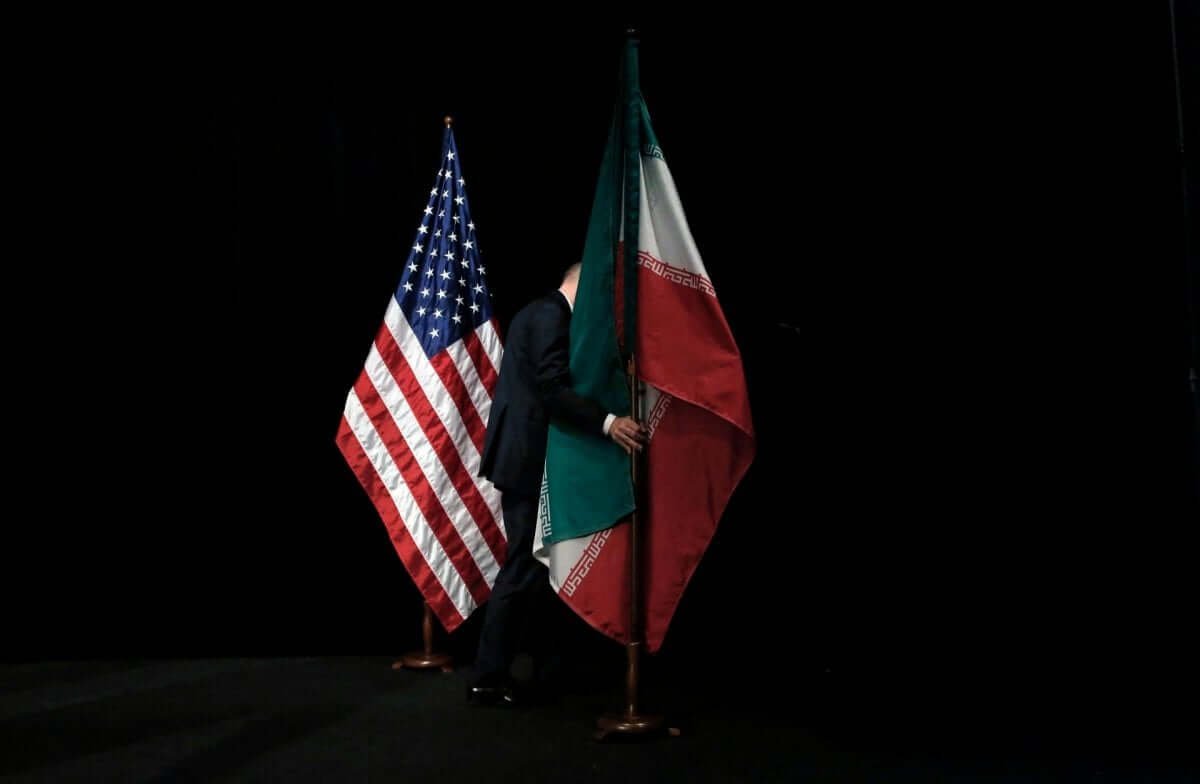
The Lebanese political and military landscape woke up this Tuesday morning to a highly complex and fast-moving scene. This follows the official announcement last night of the newly born U.S.-Iran “Memorandum of Understanding” (MoU), signed electronically after more than 245 hours of grueling negotiations brokered by Pakistan and Qatar. While the Lebanese public remains divided—as usual—between reading political fortunes and trying to guess the ultimate winners and losers, the southern frontline has already begun moving to contradictory signals. Thousands of displaced citizens are streaming back to their towns, even as Israeli warplanes echo overhead and battlefield warnings loom.
Read also Exclusive- The Geneva Deal by the Numbers: Will Lebanon Exit the War with “Zero Reconstruction”?
Behind-the-Scenes Diplomacy: What Jnews Lebanon Sources Reveal
Behind the official statements of welcome issued by Lebanon’s top leadership—who rushed to praise the accord and thank Saudi and Qatari mediation efforts—diplomatic sources close to the matter have exclusively revealed critical background details to Jnews Lebanon:
- The Trap of “Elastic” Language: Our sources confirm that while Lebanon’s name appears three times in the memorandum, focusing heavily on the cessation of hostilities, sovereignty, and territorial integrity, these clauses remain “elastic”. They say everything and nothing at once, leaving the critical security details to a tentative 60-day testing phase.
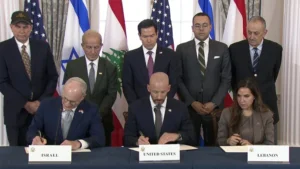
- The Gulf Coordination Channel: Exclusive details indicate that the high-level meeting in Riyadh between Qatari Minister of State for Foreign Affairs, Mohammed bin Abdulaziz Al-Khulaifi, and Saudi Foreign Ministry Advisor for Lebanese Affairs, Yazid bin Farhan, focused primarily on erecting an “Arab safety net.” This net aims to prevent Israel from isolating and targeting Lebanon after the formal in-person signing takes place in Geneva this Friday.
Read also The Washington-Tehran Agreement Sees the Light… What About Lebanon?
The White House Clarifies, Hezbollah Reacts
In parallel, highly volatile geopolitical data emerged from Washington. A senior administration official stated flatly that “Lebanon is not an organic part of the U.S. agreement with Iran, and an Israeli withdrawal was never a prerequisite in this text.” The official added that Tehran must take practical steps to halt its funding of regional proxies.
This dry diplomatic climate essentially hits the brakes on the narrative of “linked regional fronts” long championed by the Axis of Resistance. Nevertheless, Hezbollah quickly signaled through its own channels that “there will be no return to the pre-March 2 status quo” (the launch of the second support war), urging Lebanese factions to form a unified national stance to protect the country’s sovereignty.
Read also Exclusive—Israeli Trap for Trump and Tehran in Beirut: Dahiyeh Strike Scrambles Deal Framework!
Netanyahu Rejects the Deal: Negotiation Under Fire Continues
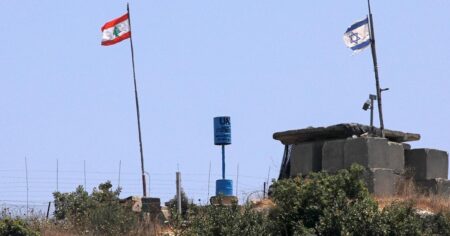
The most dangerous fuse for Beirut remains the total Israeli veto regarding the Lebanese dimension of the accord. Israeli Prime Minister Benjamin Netanyahu explicitly informed the U.S. administration that Tel Aviv will not abide by any understandings that restrict its military operations against Hezbollah. This stance was immediately echoed by Hebrew media reports indicating that the Israeli military is only “temporarily scaling back” operations while awaiting a definitive political directive.
Faced with this reality, the Lebanese street is left wondering: Will this war, which erupted on October 8, 2023, bleed past June 15, 2026? Current indicators show that the Lebanese state is pushing ahead with its direct, U.S.-backed negotiation track with Israel, with Washington scheduled to host a fresh round of talks early next week.
The Ledger of War: A Grim Assessment
As the international community prepares for the formal in-person signing ceremony in Geneva on Friday, the brutal language of numbers highlights the immense toll Lebanon has endured since the outbreak of the second support war on March 2:
| The Cost of War | The Lebanese Side | The Israeli Side |
|---|---|---|
| Casualties & Fatalities | 3,798 Martyrs (Excluding the first support war) | 30 Officers and Soldiers (Official military acknowledgment) |
| Injuries | Tens of thousands wounded and displaced | 1,347 Military Injuries |
| Ground Reality | Entire towns flattened; vast new border zones occupied | Internal acknowledgment of a strategic setback due to Geneva |