




Exclusive JNews Lebanon
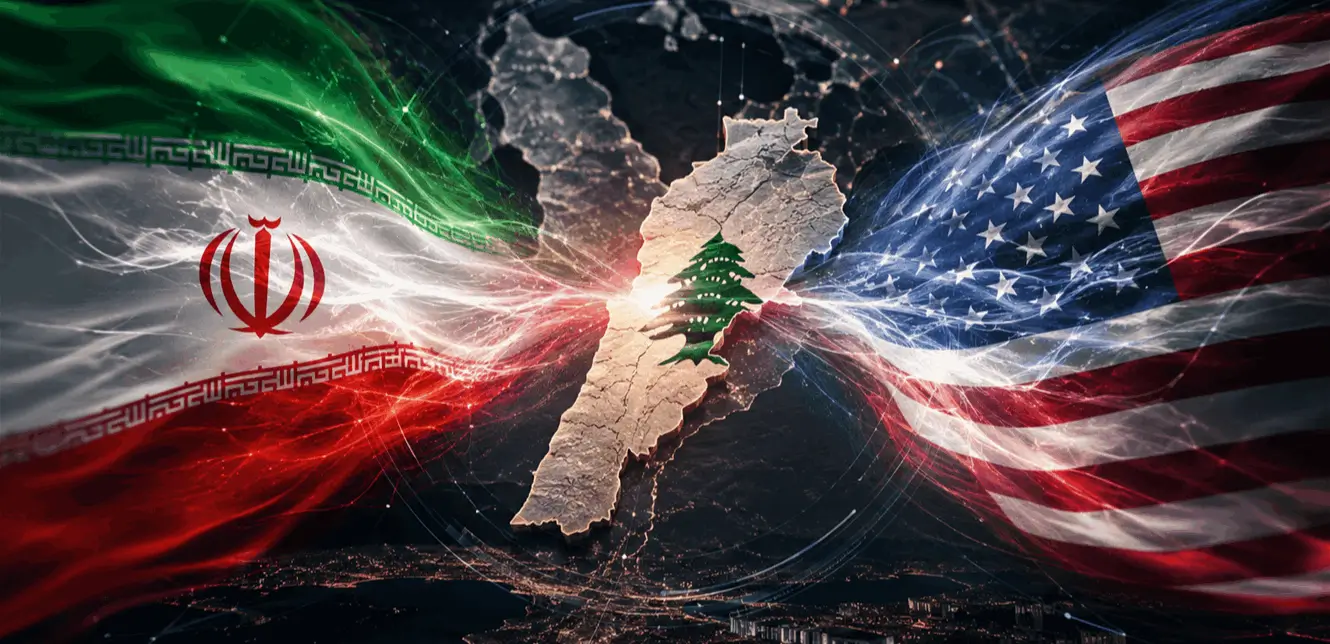
Over the past 48 hours, Lebanon has lived on the edge of a knife, caught in a frantic race between a burning battlefield and digital international diplomacy. While Geneva prepares to host the official signing ceremony of the historic U.S.-Iran “Memorandum of Understanding” on Friday, June 19—brokered by Pakistan—the southern front of the Land of the Cedars witnessed some of its most violent clashes. This escalation is a clear attempt by regional actors to alter the balance of power and dictate terms in the final moments before a permanent ceasefire takes effect.
Read also Exclusive—Israeli Trap for Trump and Tehran in Beirut: Dahiyeh Strike Scrambles Deal Framework!
The Nabatieh Pincer: Israel Seizes the Terrain Ahead of the Signing
The timing of the Israeli military escalation was far from accidental; it was a textbook case of political brinkmanship written in fire. On the ground, Israeli forces advanced rapidly across the Arnon, Zafatah, and Kfar Tibnit axes, aiming to tighten their grip on the strategic Ali Al-Tahir hill overlooking the city of Nabatieh.
Strategic Field Analysis: Military experts speaking exclusively to Jnews Lebanon stated that securing this hill following the fall of the Beaufort Castle creates a tactical “firing pincer.” This effectively places the entire city of Nabatieh under direct Israeli line of sight and fire—a traditional Israeli tactic to seize dominant terrain and establish a new geographic reality before ceasefire lines are frozen.
Read also Behind the scenes- The Stormy Meeting: Rasamny Rejects the “Alternative MEA” Proposal
The messages were not confined to the south. Yesterday afternoon’s violent airstrike on Beirut’s southern suburb (Dahiyeh)—in retaliation for Hezbollah drones penetrating northern Israel—shattered implicit rules of engagement. It was a clear signal from Tel Aviv to both Washington and Tehran: Israel will not accept the neutralization of the Lebanese depth, nor will it surrender its “right to respond” under the newborn agreement.
Trump’s Balanced Stance: “Do Not Waste This Opportunity for Peace”
Faced with this critical pre-announcement test, U.S. President Donald Trump’s reaction to the Dahiyeh strike was carefully balanced. Eager to secure a monumental diplomatic victory, Trump criticized the attack on Beirut, stating it “should not have happened.” However, he balanced this by downplaying Hezbollah’s drone strike as “worthless” while reaffirming “Israel’s right to defend itself against threats.”
The core American message remained unyielding: the airstrike must not derail the ongoing political process. Coupled with his immediate announcement that the vital Strait of Hormuz will reopen and the U.S. naval blockade on Iranian ports will be lifted post-signing under the slogan “let the oil flow,” Trump seems determined to forge ahead toward what he described as the “beginning of a long and beautiful peace.”
Read alsoExclusive- A “Constitutional Trap” Threatens the Law to Cancel Exams: Have MPs Fallen into the Prohibitions of the “2020 Precedent”?
Exclusive Jnews Lebanon Inside Intelligence: The 14 Clauses and the Official Stance
Diplomatic sources who closely monitored the grueling negotiation process since April have revealed exclusive details to Jnews Lebanon:
- The Lebanon Appendix: Our sources confirm that Tehran’s rigid insistence on including Lebanon in the agreement was deliberately designed to shield Hezbollah from being isolated and militarily targeted by Israel once Iran’s primary bilateral issues were settled. This explains Pakistani Prime Minister Shehbaz Sharif’s explicit declaration that the ceasefire spans all fronts, including Lebanon.
- Frozen Funds and the 60-Day Window: Sources tell Jnews Lebanon that the text of the 14-clause Memorandum of Understanding outlines a conditional release of $24 billion in frozen Iranian assets. Half of this amount ($12 billion) will be unfrozen immediately as a “good faith gesture” before the launch of the 60-day technical negotiations, which are set to tackle thorny unresolved issues like Iran’s ballistic missile program and its 60% enriched uranium stockpiles.
Official Lebanon: Cautious Observation Toward “Decoupling Paths”
Amid this regional geopolitical earthquake, Lebanon’s official political apparatus remains in a state of watchful waiting, eager to dissect the written text of the agreement and assess its impact on Lebanese sovereignty.
Diplomatic circles in Beirut informed Jnews Lebanon that the official Lebanese stance remains firmly committed to “decoupling the Lebanese negotiating path” from wider regional horse-trading, aiming to end the exploitation of its territory. Beirut is currently receiving highly encouraging Arab and international signals backing this independent choice, signaling a collective desire to halt continuous Iranian attempts to bind Lebanon’s geographic and political destiny to Tehran’s regional influence.
Read also The Roundup- “Lebanon is Not a Card in Your Pocket”: Prime Minister Breaks Ranks with the Revolutionary Guard!