




Exclusive JNews Lebanon
Read also Exclusive- The Washington Declaration Paves the Way for Chapter VII: Has the Legitimacy of Weapons Ended?
1. The “Baabda-Ain el-Tineh” Blueprint and the “Experimental Zones” Strategy
While mainstream media focused primarily on publicized meetings, Jnews Lebanon sources exclusively reveal the details of the closed-door maneuvers:
- The Unified Lebanese Plan: Diplomatic sources confirm that intensive, high-level communications occurred over the past hours between the offices of Baabda Palace, the Grand Serail, and Ain el-Tineh. These efforts culminated in a “comprehensive Lebanese plan backed by consensus” to pave the way for a ceasefire. This plan operates with direct assistance and sponsorship from Saudi Arabia and Qatar to provide a solid Arab and international safety net.
- The Secret Issa-Hamdan Meeting: Trusted sources revealed to our site the details of a critical meeting between US Ambassador to Beirut Michael Issa and Ali Hamdan, advisor to the Parliament Speaker. The meeting focused on dismantling the complexities surrounding the “Experimental Zones” to ensure that the fifth round in Washington does not hit field-level snags. The goal is to merge the Ain el-Tineh negotiation track with the Baabda-Serail track, ensuring that the Israeli withdrawal runs parallel to the containment of Hezbollah’s weapons and the return of displaced citizens.
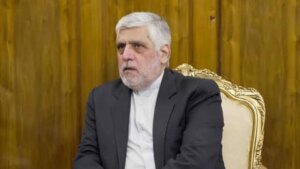
- Ambassador Al-Dousari’s Arrival & Riyadh’s Stabilizing Role: The arrival of the Kingdom’s new ambassador, Fahd al-Dousari, to Beirut, alongside the continuous tours of Saudi Envoy Prince Yazid bin Farhan, reflects a decisive Saudi determination to act as a stabilizing force. Leveraging its close ties with US President Donald Trump and its functional channels with Iran, Riyadh aims to transition Lebanon from a fragile truce to a sustainable ceasefire, leading directly to reconstruction solely through state institutions.
Read also The Roundup- The Shocking Trump-Tehran Deal: Has Hezbollah Been Sold Out?
2. The Serail Breaks Ranks with Tehran
On the domestic front, Prime Minister Najib Salam’s interview with the British The Times newspaper reverberated across the political spectrum. He addressed the state’s grievances regarding Iranian interference:
- Lebanon is Not a Pocket Chip: Prime Minister Salam asserted that Iran’s immediate rejection of the ceasefire framework—announced before Hezbollah could even formulate an official stance—was a blatant attempt to signal to the world: “Lebanon is nothing more than a card in our pocket, and we alone hold the final decision.”
- The Collapse of Autonomy Post-Nasrallah: Salam highlighted a major shift in the relationship between the group and Tehran, noting that things were vastly different under the late Secretary-General Hassan Nasrallah, who “enjoyed a degree of relative autonomy and a say in decision-making.” Today, Iran exercises unprecedented, direct control via the Islamic Revolutionary Guard Corps (IRGC) over both the military and political wings of the party. He stressed that the Lebanese state and its institutions remain the sole legitimate negotiating entity and the only body capable of mobilizing resources for reconstruction.
Read also Exclusive- Saudi “Green Light”: A Lifeline Pumps Back into the Lebanese Economy!
3. The Loyalty to the Resistance Bloc Faces a Dilemma
This political and diplomatic isolation prompted Hezbollah’s “Loyalty to the Resistance” bloc to launch an aggressive rhetorical campaign against the Lebanese authorities. The bloc characterized the direct negotiations in Washington as “foolish arrogance and gratuitous political suicide.” They claimed the talks violated the constitution and terms of national accord, yielding “unilateral obligations.”
Jnews Lebanon Analytical Reading: This reveals the friction within the party’s political circle. While its MPs attack direct Lebanese negotiations in Washington, MP Hassan Fadlallah openly declared “complete confidence in Iran as it negotiates directly with America.” This validates the Prime Minister’s assessment that the group has outsourced its decision-making to external patrons and fears having the carpet swept from under Tehran’s feet.
4. The Syrian Front: Ahmed al-Sharaa Rejects Trump’s Trap, Prioritizes Refugees
On the regional front, and in a firm response to suggestions by US President Donald Trump regarding a potential Syrian military intervention in Lebanon to dismantle Hezbollah, the official denial by Syrian President Ahmed al-Sharaa carried significant weight.
Read also Exclusive- Saudi “Green Light”: A Lifeline Pumps Back into the Lebanese Economy!
Speaking before a delegation from the Damascus countryside, Al-Sharaa dismissed these claims as “mere rumors,” emphasizing that Damascus’s objective is to halt the war rather than engage in it. Outlining the priorities of the new Syrian administration, he declared that “border demarcation with Lebanon is not a priority at this stage.” Instead, the immediate focus remains on “the issue of roughly 1.4 million Syrian refugees in Lebanon and establishing an appropriate mechanism to guarantee their return.” This stance reflects a clear desire by the Syrian leadership to distance itself from the conflict.